


Reading time: 18 min
Table of Contents
- Key Takeaways
- What Exactly Is Lean Weight Loss? (And Why It Matters)
- Lean Weight Loss vs. Traditional Weight Loss: Key Differences
- Who Should Consider a Lean Weight Loss Approach?
- The Science of Preserving Muscle During a Calorie Deficit
- Optimal Protein: 1.2–1.5 g/kg of Ideal Body Weight
- Daily Protein Goals by Body Weight
- The Role of Resistance Training in Sparing Lean Mass
- Nutrition Approach for Lean Weight Loss: What to Eat (and Avoid)
- Foundation Foods: Vegetables, Lean Proteins, and Healthy Fats
- Sample One-Day Lean Weight Loss Menu (1800 calories)
- Exercise Strategies That Preserve Lean Mass: The Perfect Combo
- The Weekly Lean Workout Plan
- NEAT: The Unseen Fat-Burner
- Supplements for Lean Weight Loss – What Actually Works (and What Doesn’t)
- Clinically Dosed Ingredients: What the Research Says
- The FDA Warning You Should Know (Hidden Drugs in ‘Natural’ Pills)
- Supplements vs. Prescription GLP-1 Drugs
- Common Mistakes That Sabotage Lean Weight Loss (and How to Fix Them)
- Mistake #1: Drastic Calorie Cuts
- Mistake #2: Strength Training? Never Heard of It
- Lean Weight Loss: Frequently Asked Questions
- Your Lean Weight Loss Action Plan – Start Today
Key Takeaways
- Lean weight loss prioritizes fat loss while preserving muscle, maintaining metabolic rate and preventing regain.
- Protein is crucial: 1.2–1.5 g per kg of ideal body weight daily to spare lean mass during a calorie deficit.
- Combine cardio and strength: 30 min of aerobic exercise most days plus 2–3 resistance sessions per week.
- Supplements require caution: Clinically dosed ingredients may help, but FDA warns of hidden drugs in “natural” products.
What Exactly Is Lean Weight Loss? (And Why It Matters)
Lean weight loss is a targeted approach to reducing body fat while preserving lean muscle mass. Unlike standard weight loss, which often sacrifices muscle and slows metabolism, lean weight loss emphasizes adequate protein intake, strength training, and a moderate calorie deficit. This method helps maintain a higher resting metabolic rate, supports long-term weight management, and improves body composition.
Definition: Lean weight loss = reducing body fat while maintaining or increasing lean body mass. This preserves metabolic rate and prevents weight regain.
The distinction matters because research shows that rapid, unrestricted calorie cutting can cause up to 25% of weight lost to come from muscle. That loss triggers a drop in basal metabolic rate, making it harder to keep the weight off. A 2001 study by Poirier and Despres, cited on the NCBI Bookshelf, demonstrated that combining strength training with aerobic activity yields superior long-term weight loss results compared to aerobics alone. The same source notes that hormonal differences between lean and obese individuals (Leibel, 1995) mean a one-size-fits-all diet plan rarely works.
Lean Weight Loss vs. Traditional Weight Loss: Key Differences
| Aspect | Lean Weight Loss | Traditional Weight Loss |
|---|---|---|
| Focus | Fat loss + muscle preservation | Scale weight reduction |
| Muscle loss risk | Minimal (protein and strength) | High (calorie-only diet) |
| Metabolic impact | Maintains resting metabolic rate | Slows metabolism |
| Long-term maintenance | Easier (higher lean mass) | Frequent regain |
Who Should Consider a Lean Weight Loss Approach?
This method suits anyone who wants to lose fat without sacrificing strength, energy, or metabolic health. It is especially valuable for women over 40, who face hormonal shifts that accelerate muscle loss, and for men with naturally high metabolisms who risk becoming under-muscled on standard diets. Athletes, active individuals, and anyone aiming for body recomposition will also benefit. The key is that muscle preservation during weight loss is not optional — it is essential for lasting results.
The Science of Preserving Muscle During a Calorie Deficit
A calorie deficit forces the body to tap into stored energy. Without strategies to protect lean tissue, muscle becomes a primary fuel source. Research from the NCBI Bookshelf (Fisler & Drenick, 1987) establishes that very low calorie diets should provide 1.2–1.5 g of protein per kg of desirable body weight to minimize loss of lean body mass. A more recent meta-analysis (2018, PMC8017325) confirms that protein supplementation helps preserve lean mass in adults and older adults, though effects on muscle strength are less consistent.
The body’s nitrogen balance is the key indicator. When protein intake is insufficient, nitrogen excretion increases, signaling muscle breakdown. Adequate protein, combined with resistance training, shifts that balance toward preservation. Can you lose fat and gain muscle at the same time? Yes — this is called body recomposition, and it requires a slight calorie deficit, high protein, and mechanical tension from lifting.
Optimal Protein: 1.2–1.5 g/kg of Ideal Body Weight
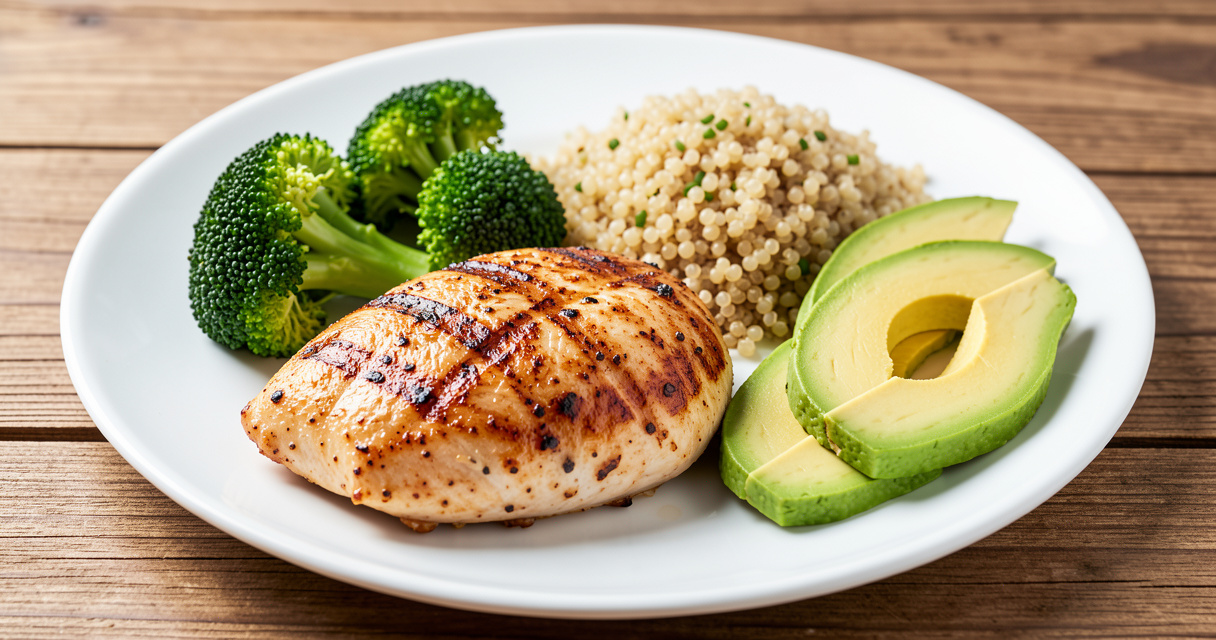
For a person whose ideal body weight is 150 lb (68 kg), that translates to 82–102 g of protein daily. A 180 lb (82 kg) individual needs 98–123 g. The easiest way to hit these targets is to include a palm-sized portion of lean protein at every meal plus one or two protein-rich snacks. Good sources: chicken breast, Greek yogurt, eggs, tofu, lentils, and quality protein powders. The checklist below gives a quick reference.
Daily Protein Goals by Body Weight
- 150 lb (68 kg) – 82–102 g/day
- 180 lb (82 kg) – 98–123 g/day
- 200 lb (91 kg) – 109–137 g/day
The Role of Resistance Training in Sparing Lean Mass
Strength training triggers muscle protein synthesis and counters the catabolic effect of a calorie deficit. The NCBI data (Poirier & Despres, 2001) underscores that aerobic exercise alone does not preserve lean tissue as effectively as the combination of cardio and resistance work. For those asking “How much protein do I need to preserve muscle while losing weight?” — the answer is 1.2–1.5 g/kg, but without the stimulus of lifting, even high protein intake can only do so much.
“The science is clear: mechanical tension is the signal that tells your body to keep muscle tissue,” one sports dietitian shared with Alto. “You can be in a deficit and still build strength, but only if you give your muscles a reason to hold onto that protein.” Consistent with the DiRECT trial (Lean et al., 2018/2019, Lancet), which showed that structured weight management can even reverse type 2 diabetes, the principle is the same: precision beats volume.
Nutrition Approach for Lean Weight Loss: What to Eat (and Avoid)
Building on Mayo Clinic recommendations and high-volume strategies, the lean weight loss plate is anchored by four servings of vegetables and three of fruit daily, whole grains, healthy fats, and limited added sugars. The emphasis is on fresh, minimally processed foods that maximize satiety per calorie. This is not about starvation — it is about strategic abundance.
Foundation Foods: Vegetables, Lean Proteins, and Healthy Fats
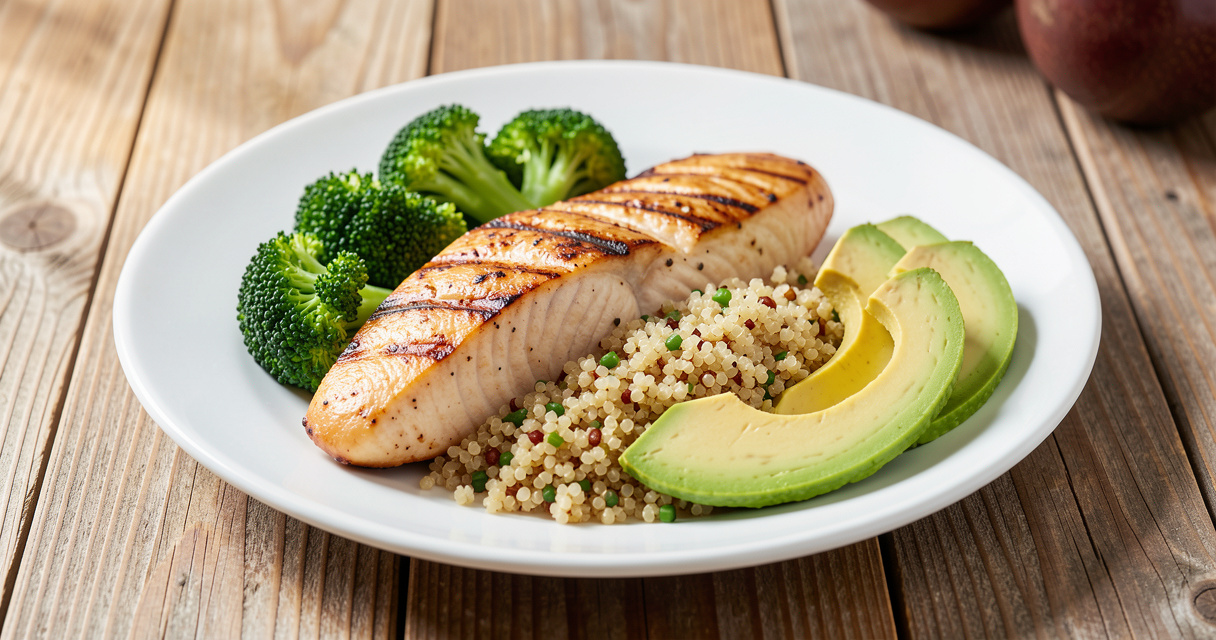
Fill half your plate with non-starchy vegetables (broccoli, spinach, bell peppers). A quarter goes to lean protein (grilled chicken, fish, tofu). The remaining quarter can include a starch like quinoa or sweet potato and a small portion of healthy fat (avocado, olive oil, nuts). This balance provides the fiber and volume to stay full on ~1800 calories. The question “What foods help you lose fat without losing muscle?” is answered by this plate: high protein, high fiber, moderate carbs from whole sources.
Is a low-carb diet better for lean weight loss? Not necessarily. Carbohydrates are not the enemy; they fuel workouts and support thyroid function. The key is choosing complex carbs that offer micronutrients and slow release energy, not refined sugars. One Alto reader, a 42-year-old executive, shared her experience: “After swapping sugary cereal for oatmeal with berries and replacing white rice with cauliflower rice, I lost 8 lbs of fat and gained 1 lb of muscle in eight weeks. The change wasn’t just on the scale — my clothes fit better.”
| Instead of… | Choose… |
|---|---|
| White rice | Cauliflower rice |
| Sugary cereal | Oatmeal + berries |
| Potato chips | Almonds or Greek yogurt |
| Soda | Sparkling water with lemon |
Sample One-Day Lean Weight Loss Menu (1800 calories)
- Breakfast: 2 eggs scrambled with spinach, 1 slice whole-grain toast, half an avocado.
- Snack: 0.5 cup Greek yogurt + 1 tbsp chia seeds.
- Lunch: Grilled chicken salad (4 oz chicken, mixed greens, cherry tomatoes, cucumber, 2 tbsp vinaigrette).
- Snack: 1 apple + 12 almonds.
- Dinner: 5 oz baked salmon, 1 cup steamed broccoli, 0.75 cup quinoa.
This menu provides roughly 130 g protein (1.4 g/kg for a 150 lb person), 180 g carbs, and 55 g fat. It is designed for satiety, muscle preservation, and steady fat loss. The protein intake for fat loss target is met without supplements, though a whey shake could replace the afternoon snack if needed.
“The biggest myth is that you have to suffer to lose weight,” notes our consulting dietitian. “The right combination of volume and nutrients makes the process sustainable.”
Exercise Strategies That Preserve Lean Mass: The Perfect Combo
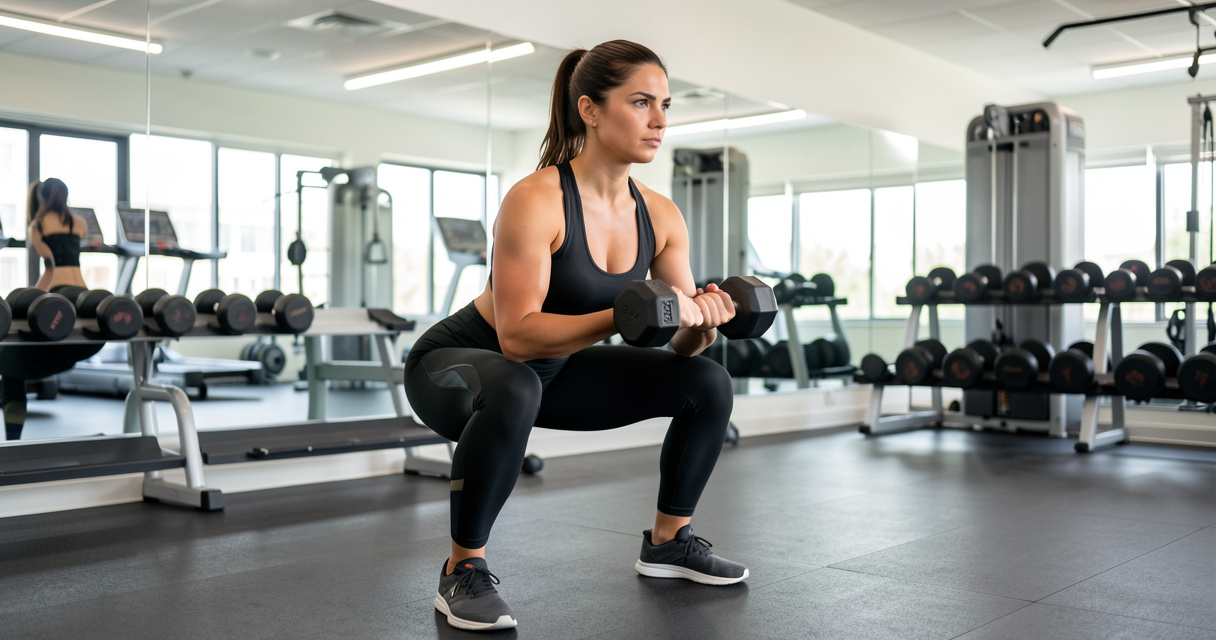
Exercise is the second pillar. The Mayo Clinic recommends at least 30 minutes of moderate aerobic activity most days and strength training at least twice per week. The NCBI data (Poirier & Despres, 2001; Sothern et al., 1999) confirms that this combination yields better long-term weight maintenance than aerobic exercise alone. Strength training does not just burn calories during the session — it boosts resting metabolic rate by increasing lean tissue.
For those wondering “How often should I strength train for lean weight loss?” — the evidence points to 2–3 full-body sessions per week. Beginners can start with two; more experienced lifters can add a third. The goal is progressive overload: each week, increase weight, reps, or sets by a small margin.
The Weekly Lean Workout Plan
- Monday: Full-body strength (squats, bench press, rows, 3×10).
- Tuesday: 30 min brisk walk or incline treadmill.
- Wednesday: Upper body strength + 15 min HIIT (sprints on bike).
- Thursday: Rest or active recovery (light yoga or 20 min walk).
- Friday: Lower body strength (deadlifts, lunges, calf raises, 3×10).
- Saturday: 45 min moderate cardio (cycling, swimming, jog).
- Sunday: Stretching or mobility work.
Tip: Start with two strength sessions per week; increase to three as you adapt. Prioritize compound movements that engage multiple muscle groups — they yield the best metabolic return.
NEAT: The Unseen Fat-Burner
Non-Exercise Activity Thermogenesis (NEAT) refers to all the calories burned during non-exercise movement: walking to the subway, fidgeting, standing while working. NEAT can vary by up to 2000 calories per day between individuals. Simple habits like taking the stairs, pacing during phone calls, or using a standing desk can significantly increase total energy expenditure without extra gym time. Is cardio or weights better for losing belly fat? Neither directly spot-reduces fat, but weights preserve muscle that keeps NEAT high, while cardio adds a direct burn. The winning protocol combines both.
Supplements for Lean Weight Loss – What Actually Works (and What Doesn’t)
Weight loss supplements occupy a controversial space. The market is flooded with products claiming to boost metabolism, suppress appetite, and spare muscle. Some contain clinically studied ingredients; others hide prescription drugs. ConsumerLab and the FDA have flagged multiple brands. To navigate this landscape, we separate evidence from hype.
Clinically Dosed Ingredients: What the Research Says
| Ingredient | Claimed Benefit | Evidence Level | Safety Notes |
|---|---|---|---|
| Caralluma fimbriata | Appetite suppression, fat loss | Moderate (small trials) | Generally safe; one Brickhouse Lean product uses it |
| Chromium picolinate | Blood sugar control, reduced cravings | Weak (mixed results) | Safe at recommended doses (200–1000 mcg/day) |
| Green tea extract | Increase fat oxidation | Moderate (200–400 mg EGCG) | Can cause liver toxicity in high doses; choose standardized extracts |
| Caffeine | Metabolism boost, energy | Strong (100–400 mg/day) | Safe for most; avoid late in the day |
| Glucomannan | Fiber, satiety | Moderate (as part of a meal) | Must be taken with plenty of water to prevent choking |
Do weight loss supplements really help preserve muscle? Only indirectly — by supporting a calorie deficit and providing protein (e.g., whey or casein powder). No pill replaces whole-food nutrition or strength training. For GLP-1 alternatives, natural ingredients like Caralluma or berberine are sometimes marketed as “natural Ozempic,” but their effects are far weaker than prescription drugs. Research on berberine shows modest blood sugar and lipid improvements; it is not a substitute for medical treatment.
The FDA Warning You Should Know (Hidden Drugs in ‘Natural’ Pills)
In 2022, the FDA issued a public notification about products like Lean Body Extreme that contained hidden drug ingredients — sibutramine (withdrawn from the market in 2010 due to cardiovascular risks) and fluoxetine (an antidepressant). These products were sold as “natural” weight loss aids. The lesson: never trust a supplement label at face value. Look for third-party seals from USP, NSF International, or ConsumerLab. If a product claims to work “like a prescription drug,” that is a red flag, not a selling point.
Are ‘natural’ weight loss pills safe? Not automatically. The FDA does not pre-approve supplements. The burden of safety lies with the manufacturer. Stick to well-established brands with transparent ingredient lists and independent testing.
Supplements vs. Prescription GLP-1 Drugs
Drugs like semaglutide (Wegovy, Ozempic) are FDA-approved for weight management and produce significant fat loss — often 10–15% of body weight. However, they can cause nausea, muscle loss if protein is inadequate, and are expensive. Supplements cannot match that efficacy, but they carry fewer side effects and lower cost. For lean weight loss, the priority should always be diet and exercise first; supplements play a supportive, not primary, role.
Common Mistakes That Sabotage Lean Weight Loss (and How to Fix Them)
Even with the best intentions, pitfalls derail progress. Metabolic adaptation — the body’s tendency to lower energy expenditure in response to prolonged calorie restriction — can stall results. Recognizing and avoiding these mistakes keeps the process on track.
Mistake #1: Drastic Calorie Cuts
Dropping below 1200 calories per day for women or 1500 for men triggers muscle loss and a sharp decline in resting metabolic rate. The NCBI notes that this metabolic adaptation can persist long after the diet ends, leading to rapid regain. Fix: aim for a deficit of 300–500 calories below maintenance, no more.
Mistake #2: Strength Training? Never Heard of It
Relying solely on cardio neglects the muscle-preserving stimulus of resistance training. Without it, up to 25% of weight lost can be muscle. Fix: schedule two strength sessions per week minimum. “I see clients who do hours of cardio and wonder why they’re losing inches but not weight,” one trainer told Alto. “The scale doesn’t tell you that you’re losing muscle. A tape measure does.”
3 Signs You’re Losing Muscle Instead of Fat:
- Your strength levels drop noticeably (can’t lift what you used to).
- You feel fatigued, weak, or have poor recovery.
- Your skin appears looser, especially around arms and thighs.
Lean Weight Loss: Frequently Asked Questions
What is lean weight loss?
Lean weight loss is a fat loss approach that prioritizes preserving or increasing muscle mass. It involves moderate calorie deficits, high protein intake, and resistance training to maintain metabolic rate.
Can you lose weight without losing muscle?
Yes, by consuming adequate protein (1.2–1.5 g per kg of body weight), engaging in strength training at least twice weekly, and avoiding extreme calorie cuts (below 1200 calories/day).
How much protein should I eat for lean weight loss?
Research suggests 1.2–1.5 grams of protein per kilogram of your ideal body weight. For a 150-lb person, that’s about 82–102 grams of protein daily.
Are weight loss supplements safe for lean weight loss?
Some supplements with clinically studied ingredients (e.g., Caralluma, Chromium) may help, but the FDA has warned about products containing hidden prescription drugs. Always choose third-party tested brands and consult a doctor.
Do I need to do cardio to lose lean weight?
Aerobic exercise improves fat oxidation and heart health, but strength training is critical for muscle preservation. The best approach combines 30 minutes of cardio most days with 2-3 strength sessions per week.
What is the difference between lean weight loss and regular weight loss?
Regular weight loss often results in losing both fat and muscle, slowing metabolism. Lean weight loss targets fat stores specifically while maintaining lean tissue, leading to better body composition and easier weight maintenance.
Can women over 40 achieve lean weight loss?
Yes, but hormonal changes can make it harder. Prioritize protein, strength training, and sleep. Some supplements like Caralluma (used in Brickhouse Lean) are marketed for menopausal weight gain, though evidence is limited.
How fast can I expect lean weight loss results?
A safe rate is 0.5–1 lb of fat per week, with minimal muscle loss. Visible changes in body composition (clothes fitting differently) often appear in 3–6 weeks.
Your Lean Weight Loss Action Plan – Start Today
The science is clear, the tools are simple. Here is a step-by-step plan to begin your intelligent fat loss strategy today.
- Step 1: Get a body composition scale (or use skinfold calipers) to track fat vs. muscle, not just weight.
- Step 2: Calculate your protein target: 1.2–1.5 g per kg of ideal body weight. Write it down.
- Step 3: Plan your weekly workouts: 2–3 strength sessions + 30 min cardio most days.
- Step 4: Clean out your pantry: remove sugary drinks, refined snacks, and processed oils.
- Step 5: Track weekly measurements (waist, hips, arms) and take progress photos.
Your body is capable of incredible change — feed it well, move it smartly, and trust the process. Are you ready to trade the scale for a tape measure and discover what lean weight loss can do for you?