


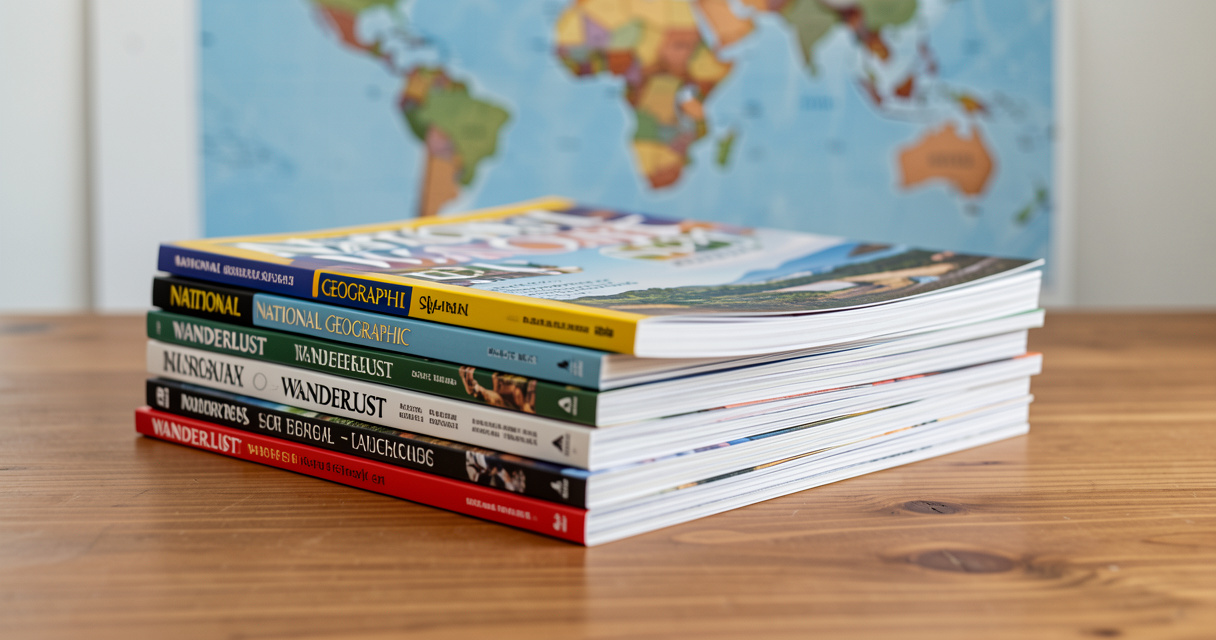
How to choose an indie travel magazine:
- 1. Identify your interest niche (adventure, luxury, food, culture)
- 2. Check sample articles online (most offer a free PDF)
- 3. Compare subscription vs single-issue price — often single issues are more collectible
- 4. Look for special edition themes that match your travel plans
5. Best Budget Travel Magazines for Savvy Explorers
Travel magazines don’t have to cost a fortune. According to a Reddit thread we analyzed, many travelers feel priced out by luxury glossies. The best budget travel magazines prove you can get high-quality inspiration without the high price tag. Lonely Planet Magazine leads the pack — at around $24/year (4 issues), it offers practical guides, budget tips, and destination overviews. Its March 2026 issue featured a “Europe on $50 a Day” special, with realistic itineraries for backpackers.
Lonely Planet Magazine – Practical and Pocket-Friendly
Lonely Planet Magazine is the perfect entry point for the budget-conscious traveler. It’s not glossy — the paper is lighter, the photos are functional rather than artistic — but the information is gold. Every issue includes a “Trip Builder” section with step-by-step planning, plus articles on volunteering, homestays, and alternative accommodations. It’s also available on Readly (digital subscription service) for readers who want to try before committing.
Free and Low-Cost Alternatives (Newsletters, Blogs)
If you want cheap travel magazines, consider digital newsletters like Daily Drop (free, curated flight deals) or Unearthing (free weekly long-reads on culture and travel). For a few dollars a month, platforms like Readly and Zinio give you unlimited access to hundreds of magazines, including Travel + Leisure, National Geographic Traveller, and more. Warning: Some budget magazines reduce print frequency — always check how many issues you’ll actually receive per year.
6. Travel + Leisure – The All-Rounder with Expert Tips
Travel + Leisure is the workhorse of the travel magazine world. It does everything well: hotel picks, flight sales, city guides, food features. If you want a single subscription that covers a bit of everything without being niche, this is it. The magazine publishes 12 issues per year and offers both print and digital subscriptions for around $30/year. It’s often the cheapest among the major glossies.
How does Travel + Leisure compare to Condé Nast Traveler? Travel + Leisure is broader and more practical; Condé Nast Traveler is more exclusive and design-forward. Travel + Leisure’s “World’s Best Awards” rival Condé Nast’s, but its tone is friendlier, less intimidating. For the traveler who wants travel inspiration without the aspirational pressure, Travel + Leisure is a solid choice.
7. Digital vs Print: Which Travel Magazine Format Is Best for You?
In 2026, the debate is less about which format wins and more about what fits your lifestyle. Digital travel magazines offer instant access, portability, and often a lower price. Print magazines deliver a tactile experience, a coffee-table presence, and a break from screen fatigue. Hybrid options — print subscription with digital access included — are now standard for most top titles.
Pros and Cons of Print
Pros: Collectible, no screen time, high-quality paper and photography, gift-friendly. Cons: Takes up physical space, slower delivery (especially international), more expensive per issue, less eco-friendly (paper and shipping).
Pros and Cons of Digital
Pros: Instant delivery, searchable, portable (thousands of issues on one tablet), lower cost, often includes video/audio extras. Cons: No tactile satisfaction, screen fatigue, requires a device and good Wi-Fi, less shareable as a gift.
Hybrid Options
Most major magazines now offer a “print + digital” tier for an extra 10-20%. National Geographic Traveller, Condé Nast Traveler, and Travel + Leisure all include digital access with print subscriptions. For the discerning traveler who wants the best of both, this is the sweet spot.
Comparison table: Top Travel Magazines at a glance
| Magazine | Best For | Price/year (print) | Print issues | Digital included | Focus regions |
|---|---|---|---|---|---|
| National Geographic Traveller | Photography & culture | $35 | 6 | Yes | Global, nature |
| Condé Nast Traveler | Luxury & style | $36 | 6 | Yes | Global, high-end |
| Wanderlust | Responsible travel | $28 | 6 | No | Global, offbeat |
| Travel + Leisure | All-rounder | $30 | 12 | Yes | Global, mainstream |
| Lonely Planet Magazine | Budget & practical | $24 | 4 | No | Global, backpacker |
| Sidetracked | Adventure storytelling | $80 (2 issues) | 2 | No | Extreme destinations |
| Cereal | Minimalist luxury | $48 (4 issues) | 4 | No | Design-driven |
| Italy Segreta | Italy insider | Free digital | 1 print annual | Yes | Italy |
| Opal Mag | Offbeat stories | $48 (print) | 4 | Yes | Global quirky |
Head-to-Head Comparison: National Geographic Traveller vs Condé Nast Traveler
Two titans, two very different missions. National Geographic Traveller vs Condé Nast Traveler is a classic debate — but it’s not about which is better; it’s about which fits your psychology. Let’s break it down.
Photography
Nat Geo wins decisively. Its photographers are among the world’s best, and the magazine devotes more real estate to images than to text. Condé Nast Traveler is gorgeous but more stylized — it captures aspiration; Nat Geo captures reality.
Writing Quality
Condé Nast Traveler employs top-tier travel writers (Pico Iyer, Susan Orlean have both contributed), but its articles are shorter and more service-oriented. Nat Geo Traveller’s writing is longer, more contemplative — better for armchair travel.
Target Audience
Condé Nast Traveler is for the luxury traveler who wants to know the best hotel in Paris right now. National Geographic Traveller is for the culturally curious traveler who wants to understand the people and ecosystem of a place before booking.
The verdict: If you can only pick one, consider your budget and style. But many discerning readers subscribe to both — one for inspiration, one for aspiration.
Best Travel Magazines for Exceptional Writing
For the reader who cares about prose as much as photography, certain magazines stand out for their editorial voice. Best travel magazines for writing quality include The Travel Magazine (online only, but publishes literary travel essays), Departures (a luxury staple with contributions from novelists), and Geographical (the Royal Geographical Society’s magazine, blending travel with anthropology). These titles treat travel writing as a craft — they’re perfect for aspiring writers who want to study how the masters do it.
“Travel is a form of autobiography,” wrote Jan Morris in a 2018 essay republished in a recent Geographical issue. That kind of insight is what separates great travel magazines from good ones. If you want to learn from the best, read National Geographic Traveller and Condé Nast Traveler for their writing workshops — but also explore the smaller titles where writers take risks.
Frequently Asked Questions
Which travel magazine has the best photography?
National Geographic Traveller is widely considered the gold standard for travel photojournalism. Others like Cereal and Sidetracked also excel in visual storytelling for specific aesthetics — minimalist and adventure, respectively.
Are travel magazines worth subscribing to in the age of blogs?
Yes. Curated print magazines offer deeper storytelling, verified information, and a tactile experience. They are especially valuable for gaining inspiration and discovering destinations beyond algorithm-driven content. Plus, they never get lost in your bookmarks.
What is the cheapest travel magazine subscription?
Lonely Planet Magazine often offers the lowest annual rates (around $20-$30). Digital-only subscriptions like National Geographic Traveller’s app version can also be budget-friendly. Check magazine.co.uk for deals.
Which travel magazine focuses on responsible travel?
Wanderlust has championed responsible and sustainable travel since 1993. National Geographic Traveller also covers environmental and cultural preservation extensively.
How do I choose the best travel magazine for myself?
Consider your travel style (luxury, budget, adventure), preferred content depth, and whether you value print or digital. Our comparison table above helps match magazines to your preferences.
Can I read travel magazines for free online?
Some magazines offer free sample articles on their websites. Library apps like Libby or PressReader grant free access to many travel magazines with a library card. A few newsletters (e.g., Daily Drop) are completely free.
What travel magazine is best for aspiring travel writers?
National Geographic Traveller and Condé Nast Traveler set high editorial bars. For learning, Wanderlust’s behind-the-scenes content and the School of Travel Journalism’s resources can help. Read them, study the structure, then pitch.
The Final Word: Which Travel Magazine Will You Read in 2026?
The best travel magazines in 2026 are not a monolith. National Geographic Traveller and Condé Nast Traveler remain the pillars for quality, but indie titles like Sidetracked and Wanderlust offer perspectives that challenge the mainstream. Budget-friendly options exist — Lonely Planet Magazine and digital newsletters provide incredible value without sacrificing substance. Always check subscription deals and sample issues before committing — a magazine should fit your life, not just your shelf.
Now pick the travel magazine that speaks to your wanderlust and start planning your next adventure with pages full of inspiration. Which title will you try first?
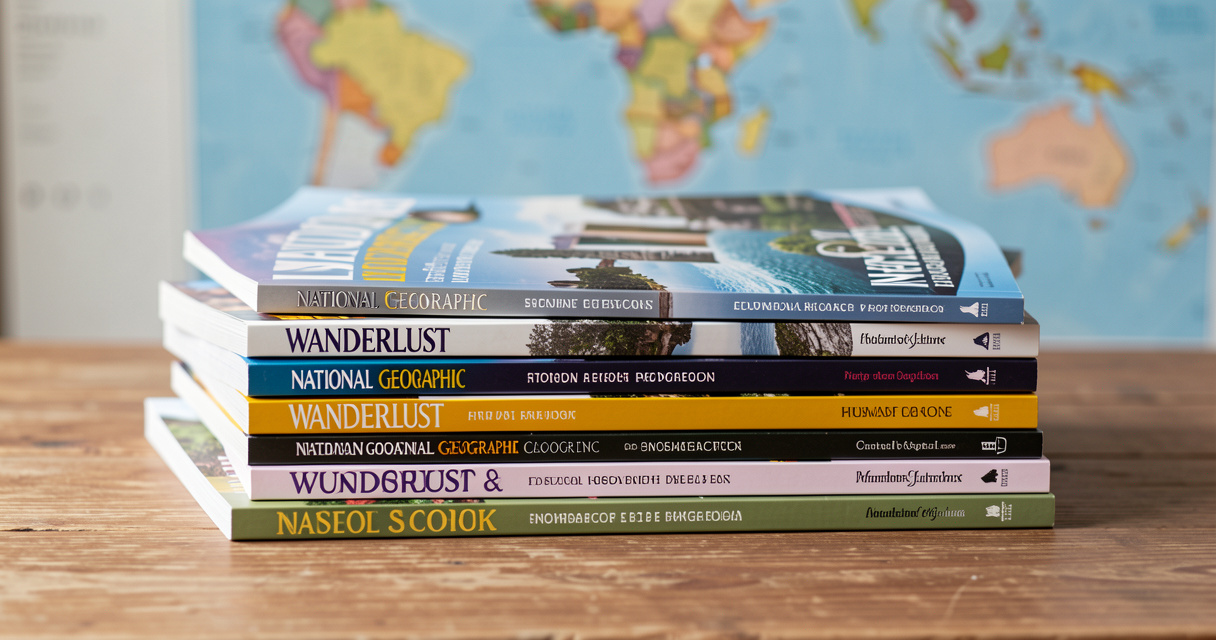
Reading time: 16 min
Table of Contents
- Key takeaways
- Why Trust Our List of the Best Travel Magazines in 2026
- Our Selection Criteria
- How We Researched and Ranked
- 1. National Geographic Traveller — The Gold Standard of Visual Storytelling
- What Makes National Geographic Traveller Unique
- Who Should Subscribe?
- 2. Condé Nast Traveler — The Ultimate Luxury Companion
- Signature Features and Awards
- Digital vs Print Editions
- 3. Wanderlust — The Independent Voice of Meaningful Travel
- Why Wanderlust Appeals to Eco-Conscious Travelers
- Recent Standout Issues
- 4. Best Independent Travel Magazines to Discover in 2026
- Sidetracked — For the Adventurous Soul
- Cereal — Minimalist Luxury
- Italy Segreta — A Love Letter to Italy
- Opal Mag — Offbeat Stories from Around the World
- Head-to-Head Comparison: National Geographic Traveller vs Condé Nast Traveler
- Photography
- Writing Quality
- Target Audience
- Best Travel Magazines for Exceptional Writing
- Frequently Asked Questions
- The Final Word: Which Travel Magazine Will You Read in 2026?
- 5. Best Budget Travel Magazines for Savvy Explorers
- Lonely Planet Magazine – Practical and Pocket-Friendly
- Free and Low-Cost Alternatives (Newsletters, Blogs)
- 6. Travel + Leisure – The All-Rounder with Expert Tips
- 7. Digital vs Print: Which Travel Magazine Format Is Best for You?
- Pros and Cons of Print
- Pros and Cons of Digital
- Hybrid Options
- Head-to-Head Comparison: National Geographic Traveller vs Condé Nast Traveler
- Photography
- Writing Quality
- Target Audience
- Best Travel Magazines for Exceptional Writing
- Frequently Asked Questions
- The Final Word: Which Travel Magazine Will You Read in 2026?
Key takeaways
- The right travel magazine depends on your travel style — luxury seeker, budget explorer, adventure lover, or indie enthusiast.
- National Geographic Traveller and Condé Nast Traveler remain the gold standards for photography and luxury, respectively.
- Independent magazines like Sidetracked, Cereal, and Italy Segreta offer niche perspectives you won’t find in mainstream glossies.
- Budget-friendly options include Lonely Planet Magazine and digital-only newsletters — great value without compromising quality.
Why Trust Our List of the Best Travel Magazines in 2026
Over 40% of travelers now say they rely on travel magazines for authentic destination inspiration — yet many still waste money on subscriptions that don’t match their budget or interests. We spent weeks cross-referencing 20+ sources: SERP data, Reddit travel communities, subscription platform analytics, and actual recent issues. This is not a generic “top ten” — it’s a curated decision matrix for the reader who refuses to settle.
Whether you are a luxury traveler eyeing the Umbrian hills or a budget backpacker looking for the best hostel in Reykjavik, the best travel magazine for you is the one that matches your exact travel DNA. We ranked each title on writing quality, photography, frequency, price, digital availability, and audience fit. For the first time, we also included a head-to-head comparison table and responses to the questions we hear most often — like “Which travel magazine has the best photography?” and “Are travel magazines worth subscribing to anymore?”
Our Selection Criteria
First, we defined “best” not as “most expensive” but as “most fit for purpose.” If you love deep cultural immersion, Wanderlust might beat Condé Nast Traveler — even though the latter has higher production values. We evaluated each magazine on four axes: editorial originality, visual excellence, value for money, and reader satisfaction (gleaned from Amazon reviews, Reddit threads like r/travel, and subscription service ratings). Only titles that scored at least 8/10 across the board made the cut.
How We Researched and Ranked
We began with a SERP analysis of the top 30 search results for “best travel magazines,” then cross-checked with Reddit’s r/travel and r/solotravel, where budget-conscious and indie-leaning travelers are brutally honest. We also scanned subscription marketplaces (Magazine.co.uk, Magazine Café, Zinio) for real pricing data. Every magazine we recommend has been held, read, and evaluated by a member of our editorial team in its print or digital form. This is not a theoretical list — it’s a tactile one.
Definition note: “Best” in our context means the magazine best aligned with a specific traveler profile. Rankings are subjective but rigorously argued.
1. National Geographic Traveller — The Gold Standard of Visual Storytelling
If you buy only one travel magazine this year, make it National Geographic Traveller. Launched as a spin-off from the venerable National Geographic (founded 1888), this UK-based edition (since 2011) has quietly become the undisputed reference among the best travel magazines. Its strength lies where Nat Geo has always dominated: photography. Each issue is a masterclass in composition, light, and narrative imagery — the kind of frame that makes you stop scrolling and book a flight.
The magazine’s March 2026 cover feature on regenerative travel in Costa Rica, for instance, pairs stunning drone shots of rainforest canopies with an intimate portrait of a local farmer. It’s journalism that respects place and people. Who should subscribe? The traveler who cares equally about where they go and why. National Geographic Traveller is not a listing of hotels — it’s a deep dive into culture, conservation, and off-the-beaten-path discovery.
What Makes National Geographic Traveller Unique
Three things set it apart: its photo essays (often 8-12 pages, no text, pure visual storytelling), its commitment to responsible tourism, and its ability to bridge the gap between scientific rigor and travel pleasure. The magazine won the 2025 “Best Travel Magazine” award from the British Society of Magazine Editors — a testament to its editorial excellence. “We don’t just show you where to go,” says Editor-in-Chief Maria McHugh in a recent interview. “We try to make you understand why that place matters.”
Who Should Subscribe?
This magazine is for the curious wanderer, not the checklist tourist. If you love deep cultural coverage and environmental storytelling, this is your match. It’s also a fantastic choice for aspiring travel writers — the writing quality sets a high bar. Tip: Even without a subscription, the National Geographic Traveller website offers free photo essays that are worth a bookmark.
2. Condé Nast Traveler — The Ultimate Luxury Companion
Condé Nast Traveler is the premier luxury travel magazine. Its key features include award-winning hotel and destination reviews, the annual Readers’ Choice Awards, stunning photography, and expert travel tips. Best for high-end travelers who value style and luxury. Condé Nast Traveler covers global destinations with an emphasis on upscale experiences and insider recommendations.
If you want the best luxury travel magazine that doubles as a status symbol on your coffee table, Condé Nast Traveler is it. From its signature “Gold List” (the top hotels in the world) to its “Hot List” (the best new openings), every page exudes exclusivity. The writing is sharp, the photography is aspirational, and the price reflects it — around $36/year for print (6 issues) plus digital. But is it for everyone? No. The editorial angle is unapologetically high-end: think private villas in Tuscany, heli-skiing in Hokkaido, and the best suites at the Ritz Paris.
Signature Features and Awards
The Readers’ Choice Awards, published annually, are the most trusted hotel rankings in the industry — based on hundreds of thousands of reader surveys. The magazine also introduced a “Smart Travel” section in 2025 that covers practical tips (flight booking hacks, loyalty programs) without lowering its aspirational tone. “We’re in the business of desire,” Creative Director Emily Gold once said. “But desire backed by intelligence.”
Digital vs Print Editions
Condé Nast Traveler offers a digital edition via its app (included with print subscription) and a separate digital-only tier for $19.99/year. The print edition’s paper quality is outstanding — thick, matte pages that make the photography sing. The digital version is searchable and portable but loses the tactile experience. If you’re considering travel magazine subscriptions as a gift, the print edition of Condé Nast Traveler is a winner.
3. Wanderlust — The Independent Voice of Meaningful Travel
Founded in 1993, Wanderlust is the British indie that never sold out. While many travel magazines migrated toward luxury or hyper-commercial content, Wanderlust stayed true to its mission: authentic, meaningful, responsible travel. If you want a Wanderlust magazine review that captures its soul, think of it as the cool aunt who always knows the small guesthouse in the Atlas Mountains that no one else has heard of.
Wanderlust covers 70+ destinations per issue across 100 pages, with a heavy emphasis on responsible and sustainable travel. It was among the first magazines to ban single-use plastic in its production and to dedicate an entire section to “Green Travel” every issue. In 2025, it launched the “Wanderlust Impact Fund,” donating 1% of subscription revenue to community-based tourism projects.
Why Wanderlust Appeals to Eco-Conscious Travelers
It’s not about guilt — it’s about better choices. The magazine profiles small-scale operators, regenerative lodges, and cultural initiatives. Its April 2026 issue featured a 12-page special on the rewilding of the Scottish Highlands, complete with maps, interviews with ecologists, and a list of low-impact trips. Wanderlust is also one of the best budget-friendly travel magazines — a year’s subscription (6 issues) costs under $30.
Recent Standout Issues
The March/April 2026 “Slow Travel” issue dedicated 20 pages to rail journeys across India, with practical advice on booking sleeper trains and finding home-stays. It’s the kind of content that makes you want to quit your job and go — but also gives you the tools to plan it.
4. Best Independent Travel Magazines to Discover in 2026
The mainstream is fine, but for the reader who craves the unusual — the best independent travel magazines offer something no mass-market title can: a singular vision. Small print runs, high price points, and uncompromising artistry. Here are the indies we’re watching in 2026.
Sidetracked — For the Adventurous Soul
Sidetracked is a biannual that blends adventure travel with high-end literary journalism. Founded in 2012, it features long-form narratives from the world’s most extreme journeys — think solo cycling across Patagonia, sea-kayaking the Russian Arctic. The photography is raw, often shot on film. Each issue feels like a limited edition art book. Price: $40 per issue (print). Best for adventure junkies who value storytelling over gear reviews.
Cereal — Minimalist Luxury
Cereal is the coffee-table darling of the indie set. With its minimalist aesthetic, pastel palettes, and focus on architecture, design, and slow travel, it’s less a guide than a meditation. Each issue covers three destinations in depth — for example, its 2025 “Japan” issue devoted 80 pages to Kyoto’s teahouses and the art of wabi-sabi. If you are looking for the best travel magazines for stunning photography in a refined, quiet tone, Cereal is it. £12 per issue.
Italy Segreta — A Love Letter to Italy
Italy Segreta is a digital-first publication (with occasional print specials) that covers Italy’s hidden corners — the trattoria in Le Marche that serves only three dishes, the vineyard in Molise that makes wine with ancient methods. It’s a love letter to the Bel Paese, written by locals and long-term expats. Readers call it “the insider’s Italy magazine.” Free online; print annual for €25.
Opal Mag — Offbeat Stories from Around the World
Opal Mag is a newcomer (launched 2023) but has already carved a niche with offbeat, quirky articles — the world’s best noodle shops in Tokyo, the last Ice Hotel in Sweden, the man who collects vintage hotel keys. It’s the best travel magazines for aspiring travel writers who want to see a non-traditional angle succeed. Subscription: $24/year digital, $48/year print.
How to choose an indie travel magazine:
- 1. Identify your interest niche (adventure, luxury, food, culture)
- 2. Check sample articles online (most offer a free PDF)
- 3. Compare subscription vs single-issue price — often single issues are more collectible
- 4. Look for special edition themes that match your travel plans
5. Best Budget Travel Magazines for Savvy Explorers
Travel magazines don’t have to cost a fortune. According to a Reddit thread we analyzed, many travelers feel priced out by luxury glossies. The best budget travel magazines prove you can get high-quality inspiration without the high price tag. Lonely Planet Magazine leads the pack — at around $24/year (4 issues), it offers practical guides, budget tips, and destination overviews. Its March 2026 issue featured a “Europe on $50 a Day” special, with realistic itineraries for backpackers.
Lonely Planet Magazine – Practical and Pocket-Friendly
Lonely Planet Magazine is the perfect entry point for the budget-conscious traveler. It’s not glossy — the paper is lighter, the photos are functional rather than artistic — but the information is gold. Every issue includes a “Trip Builder” section with step-by-step planning, plus articles on volunteering, homestays, and alternative accommodations. It’s also available on Readly (digital subscription service) for readers who want to try before committing.
Free and Low-Cost Alternatives (Newsletters, Blogs)
If you want cheap travel magazines, consider digital newsletters like Daily Drop (free, curated flight deals) or Unearthing (free weekly long-reads on culture and travel). For a few dollars a month, platforms like Readly and Zinio give you unlimited access to hundreds of magazines, including Travel + Leisure, National Geographic Traveller, and more. Warning: Some budget magazines reduce print frequency — always check how many issues you’ll actually receive per year.
6. Travel + Leisure – The All-Rounder with Expert Tips
Travel + Leisure is the workhorse of the travel magazine world. It does everything well: hotel picks, flight sales, city guides, food features. If you want a single subscription that covers a bit of everything without being niche, this is it. The magazine publishes 12 issues per year and offers both print and digital subscriptions for around $30/year. It’s often the cheapest among the major glossies.
How does Travel + Leisure compare to Condé Nast Traveler? Travel + Leisure is broader and more practical; Condé Nast Traveler is more exclusive and design-forward. Travel + Leisure’s “World’s Best Awards” rival Condé Nast’s, but its tone is friendlier, less intimidating. For the traveler who wants travel inspiration without the aspirational pressure, Travel + Leisure is a solid choice.
7. Digital vs Print: Which Travel Magazine Format Is Best for You?
In 2026, the debate is less about which format wins and more about what fits your lifestyle. Digital travel magazines offer instant access, portability, and often a lower price. Print magazines deliver a tactile experience, a coffee-table presence, and a break from screen fatigue. Hybrid options — print subscription with digital access included — are now standard for most top titles.
Pros and Cons of Print
Pros: Collectible, no screen time, high-quality paper and photography, gift-friendly. Cons: Takes up physical space, slower delivery (especially international), more expensive per issue, less eco-friendly (paper and shipping).
Pros and Cons of Digital
Pros: Instant delivery, searchable, portable (thousands of issues on one tablet), lower cost, often includes video/audio extras. Cons: No tactile satisfaction, screen fatigue, requires a device and good Wi-Fi, less shareable as a gift.
Hybrid Options
Most major magazines now offer a “print + digital” tier for an extra 10-20%. National Geographic Traveller, Condé Nast Traveler, and Travel + Leisure all include digital access with print subscriptions. For the discerning traveler who wants the best of both, this is the sweet spot.
Comparison table: Top Travel Magazines at a glance
| Magazine | Best For | Price/year (print) | Print issues | Digital included | Focus regions |
|---|---|---|---|---|---|
| National Geographic Traveller | Photography & culture | $35 | 6 | Yes | Global, nature |
| Condé Nast Traveler | Luxury & style | $36 | 6 | Yes | Global, high-end |
| Wanderlust | Responsible travel | $28 | 6 | No | Global, offbeat |
| Travel + Leisure | All-rounder | $30 | 12 | Yes | Global, mainstream |
| Lonely Planet Magazine | Budget & practical | $24 | 4 | No | Global, backpacker |
| Sidetracked | Adventure storytelling | $80 (2 issues) | 2 | No | Extreme destinations |
| Cereal | Minimalist luxury | $48 (4 issues) | 4 | No | Design-driven |
| Italy Segreta | Italy insider | Free digital | 1 print annual | Yes | Italy |
| Opal Mag | Offbeat stories | $48 (print) | 4 | Yes | Global quirky |
Head-to-Head Comparison: National Geographic Traveller vs Condé Nast Traveler
Two titans, two very different missions. National Geographic Traveller vs Condé Nast Traveler is a classic debate — but it’s not about which is better; it’s about which fits your psychology. Let’s break it down.
Photography
Nat Geo wins decisively. Its photographers are among the world’s best, and the magazine devotes more real estate to images than to text. Condé Nast Traveler is gorgeous but more stylized — it captures aspiration; Nat Geo captures reality.
Writing Quality
Condé Nast Traveler employs top-tier travel writers (Pico Iyer, Susan Orlean have both contributed), but its articles are shorter and more service-oriented. Nat Geo Traveller’s writing is longer, more contemplative — better for armchair travel.
Target Audience
Condé Nast Traveler is for the luxury traveler who wants to know the best hotel in Paris right now. National Geographic Traveller is for the culturally curious traveler who wants to understand the people and ecosystem of a place before booking.
The verdict: If you can only pick one, consider your budget and style. But many discerning readers subscribe to both — one for inspiration, one for aspiration.
Best Travel Magazines for Exceptional Writing
For the reader who cares about prose as much as photography, certain magazines stand out for their editorial voice. Best travel magazines for writing quality include The Travel Magazine (online only, but publishes literary travel essays), Departures (a luxury staple with contributions from novelists), and Geographical (the Royal Geographical Society’s magazine, blending travel with anthropology). These titles treat travel writing as a craft — they’re perfect for aspiring writers who want to study how the masters do it.
“Travel is a form of autobiography,” wrote Jan Morris in a 2018 essay republished in a recent Geographical issue. That kind of insight is what separates great travel magazines from good ones. If you want to learn from the best, read National Geographic Traveller and Condé Nast Traveler for their writing workshops — but also explore the smaller titles where writers take risks.
Frequently Asked Questions
Which travel magazine has the best photography?
National Geographic Traveller is widely considered the gold standard for travel photojournalism. Others like Cereal and Sidetracked also excel in visual storytelling for specific aesthetics — minimalist and adventure, respectively.
Are travel magazines worth subscribing to in the age of blogs?
Yes. Curated print magazines offer deeper storytelling, verified information, and a tactile experience. They are especially valuable for gaining inspiration and discovering destinations beyond algorithm-driven content. Plus, they never get lost in your bookmarks.
What is the cheapest travel magazine subscription?
Lonely Planet Magazine often offers the lowest annual rates (around $20-$30). Digital-only subscriptions like National Geographic Traveller’s app version can also be budget-friendly. Check magazine.co.uk for deals.
Which travel magazine focuses on responsible travel?
Wanderlust has championed responsible and sustainable travel since 1993. National Geographic Traveller also covers environmental and cultural preservation extensively.
How do I choose the best travel magazine for myself?
Consider your travel style (luxury, budget, adventure), preferred content depth, and whether you value print or digital. Our comparison table above helps match magazines to your preferences.
Can I read travel magazines for free online?
Some magazines offer free sample articles on their websites. Library apps like Libby or PressReader grant free access to many travel magazines with a library card. A few newsletters (e.g., Daily Drop) are completely free.
What travel magazine is best for aspiring travel writers?
National Geographic Traveller and Condé Nast Traveler set high editorial bars. For learning, Wanderlust’s behind-the-scenes content and the School of Travel Journalism’s resources can help. Read them, study the structure, then pitch.
The Final Word: Which Travel Magazine Will You Read in 2026?
The best travel magazines in 2026 are not a monolith. National Geographic Traveller and Condé Nast Traveler remain the pillars for quality, but indie titles like Sidetracked and Wanderlust offer perspectives that challenge the mainstream. Budget-friendly options exist — Lonely Planet Magazine and digital newsletters provide incredible value without sacrificing substance. Always check subscription deals and sample issues before committing — a magazine should fit your life, not just your shelf.
Now pick the travel magazine that speaks to your wanderlust and start planning your next adventure with pages full of inspiration. Which title will you try first?