


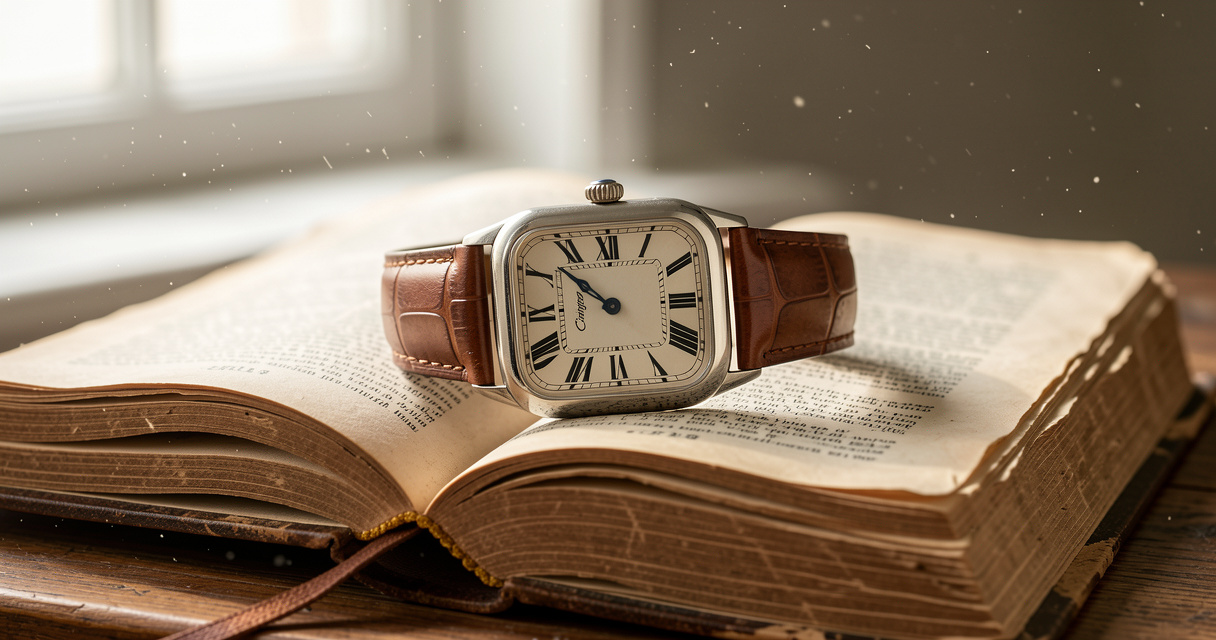
Reading time: 15 min
Table of Contents
- Key Takeaways
- Why Vintage Cartier Watches Are a Timeless Investment
- Cartier’s Design Philosophy
- Iconic Models: A Closer Look at the Tank, Santos, Panthère, and More
- The Cartier Tank (1917–Present)
- The Cartier Santos (1904–2000s)
- The Panthère de Cartier (1980s–1990s)
- Hidden Gems: Vendôme, Colisée, and Must de Cartier
- How to Authenticate a Vintage Cartier Watch in 5 Steps
- The Must de Cartier Phenomenon: Affordable Vintage for New Collectors
- History of the Must de Cartier
- What to Look For in a Must Watch
- Price Guide: What You’ll Pay for a Vintage Cartier in 2026
- Entry-Level (Under $1,000)
- Mid-Range ($1,000–$5,000)
- High-End Auctions ($5,000+)
- Caring for Your Vintage Cartier: Maintenance, Servicing, and Storage
- Movement Servicing Interval
- Bracelet and Strap Care
- Storage and Humidity Control
- Where to Buy Vintage Cartier Watches: Trusted Sources and Red Flags
- Specialist Dealers
- Auction Houses
- Online Marketplaces
- Private Sales
- Questions fréquentes
- Conclusion: Your Vintage Cartier Awaits
Key Takeaways
- Design Legacy & Investment: Vintage Cartier watches blend timeless elegance with solid value retention, especially mechanical Tanks and Santos models.
- Models to Know: The Tank, Santos, Panthère, and the accessible Must de Cartier line cover every collector’s budget and style.
- Authentication is Non-Negotiable: Follow the five-step checklist – movement, dial, crown, serial number, weight – to avoid counterfeits.
- Care & Service: A vintage Cartier needs regular servicing every 3–5 years and strict water avoidance to preserve its patina and performance.
Why Vintage Cartier Watches Are a Timeless Investment
Did you know you can own a genuine vintage Cartier watch for as little as $581? That is less than many smartwatches. Vintage Cartier combines a century of design heritage with surprising accessibility – yet most buyers remain intimidated by the market: fear of fakes, uncertainty about prices, confusion over models, lack of maintenance knowledge. This guide solves all of that.
Cartier has been crafting timepieces since 1847, according to Sotheby’s (2025). But the real story begins earlier: in 1904, Cartier created the first purpose-built wristwatch for aviator Alberto Santos-Dumont. That single invention birthed the Santos line and forever changed how we wear time. A vintage Cartier watch is more than a tool – it is a fragment of design history, a conversation starter, and for many, a surprisingly sound financial decision.
Cartier’s Design Philosophy
Cartier began as a jeweler, not a watchmaker. That distinction matters. Where other brands chased mechanical complexity, Cartier prioritized purity of form. The Tank’s rectangular case was inspired by the Renault FT tank – a machine of war transformed into an object of grace. The Santos’s exposed screws celebrated functionality. Every line, every proportion was deliberate. This is why a 1950s Tank Louis still looks contemporary on a wrist today.
“We don’t design for the moment,” a Cartier creative director once told me. “We design for the next century.” That philosophy explains why these watches transcend trends.
Value Retention and Market Demand: The secondary market for vintage Cartier has grown steadily. According to Chrono24’s 2025 price analysis, stainless steel quartz models from the 1980s and 90s can be found in good condition between $581 and $698. Mechanical pieces, especially gold Tanks and rare Santos variants, have appreciated significantly. Collectors increasingly value originality – a watch with its original box and papers commands a premium of 20–40% over a similar piece without provenance.
| Model | Avg Price Range (2025–2026) | Appreciation 5yr | Key Era |
|---|---|---|---|
| Must de Cartier quartz (steel) | $581–$698 | Stable | 1980s–90s |
| Cartier Tank Louis (gold, mechanical) | $3,500–$7,000 | +15% | 1970s–80s |
| Santos Galbée (steel, mechanical) | $2,000–$4,000 | +20% | 1990s |
| Panthère de Cartier (gold-plated) | $1,500–$3,000 | +10% | 1980s |
Did You Know? Cartier created the first purpose-built wristwatch for aviator Alberto Santos-Dumont in 1904. That watch – the Santos – remains one of the most iconic models ever produced.
Now that we understand why these watches matter, let us examine the individual models that define the category.
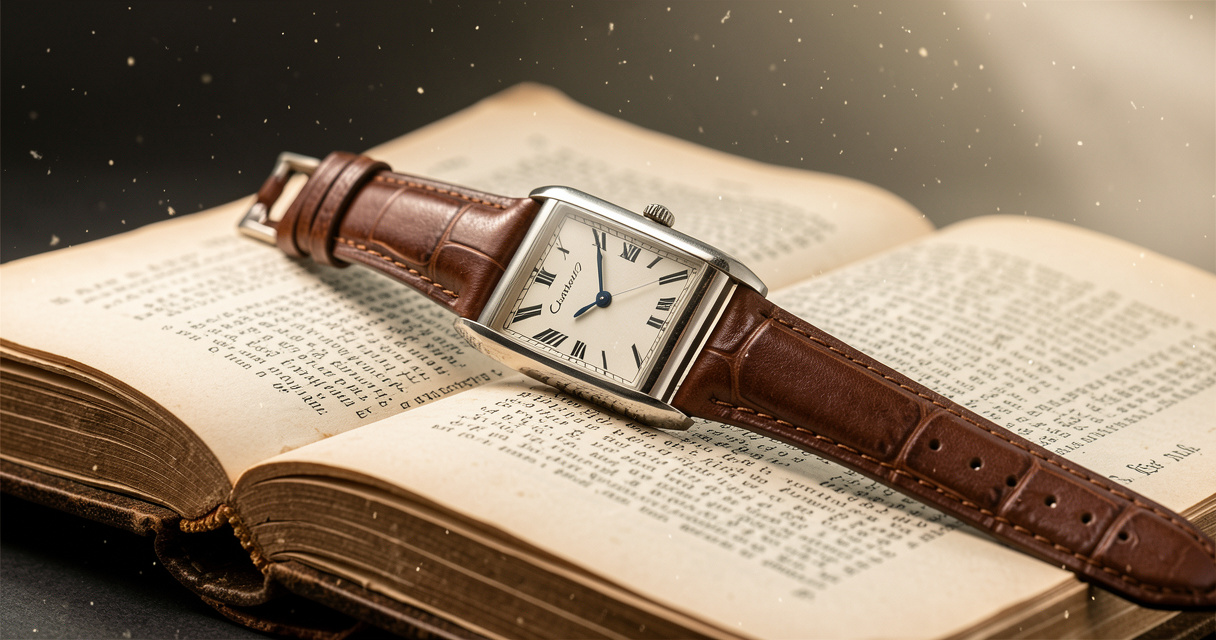
Iconic Models: A Closer Look at the Tank, Santos, Panthère, and More
Each vintage Cartier line has its own personality, its own collectors, and its own market. Below, we break down the key models every buyer should recognize – including a few underrated gems that the well-informed investor targets.
The Cartier Tank (1917–Present)
The Tank is arguably the most recognizable rectangular watch in history. Its name comes from the military vehicles of WWI, but its design is pure Art Deco geometry. The Tank Louis, with its gold case and mechanical movement, remains the grail for purists. Vintage Tanks from the 1920s through 1960s often feature movements by Audemars Piguet or Jaeger-LeCoultre – a detail that adds horological credibility. Expect to pay $3,500 to $15,000 depending on era, metal, and condition. The Cartier Tank vintage market is deep, but authenticity is paramount – many fakes use poor-quality quartz movements.
Anecdote: Andy Warhol famously wore a Cartier Tank. When asked why, he said, “I don’t wear a watch to tell time. I wear it because it looks fantastic.” That sentiment captures the Tank’s cultural weight.
The Cartier Santos (1904–2000s)
The Santos was the first pilot’s watch, and its square case with exposed screws remains unmistakable. Vintage Santos models vary widely: the early Santos Dumont (non-screw bezel) is rare and expensive; the Santos Galbée (1990s) is more accessible. Collectors prize the mechanical versions over quartz. A Cartier Santos vintage in good condition typically ranges from $2,000 to $6,000. The Galbée with a steel bracelet is a particular sweet spot – versatile, robust, and still undervalued.
The Panthère de Cartier (1980s–1990s)
The Panthère is the undisputed queen of vintage Cartier for women. Its square case, integrated bracelet, and feline grace made it a symbol of 1980s power dressing. Prices have risen sharply; a two-tone Panthère in good condition can now command $2,500–$4,000. The vintage Cartier Panthère market is hot, but beware of heavily polished examples – the case edges should remain sharp.
Hidden Gems: Vendôme, Colisée, and Must de Cartier
Beyond the headline models, Cartier produced several less celebrated lines that offer excellent value. The Vendôme (oval case) and Colisée (round case) from the 1970s are stylish and affordable, often available for under $2,000. The Must de Cartier watch line deserves its own section – see below. These hidden gems allow collectors to wear the Cartier signature without the premium of the iconic models.
| Model | Key Features | Common Eras | Typical Price Range | Collectability (out of 5) |
|---|---|---|---|---|
| Tank Louis | Rectangular, mechanical, gold | 1920s–1980s | $3,500–$15,000 | 5 |
| Santos Galbée | Square, exposed screws, steel | 1990s | $2,000–$4,000 | 4 |
| Panthère | Square, integrated bracelet | 1980s–1990s | $2,500–$4,000 | 4 |
| Vendôme | Oval, quartz or mechanical | 1970s | $1,000–$2,000 | 3 |
| Colisée | Round, cushion case | 1970s | $800–$1,500 | 2 |
Understanding these models is half the battle. The other half is ensuring that what you are buying is genuine. That brings us to our next section.
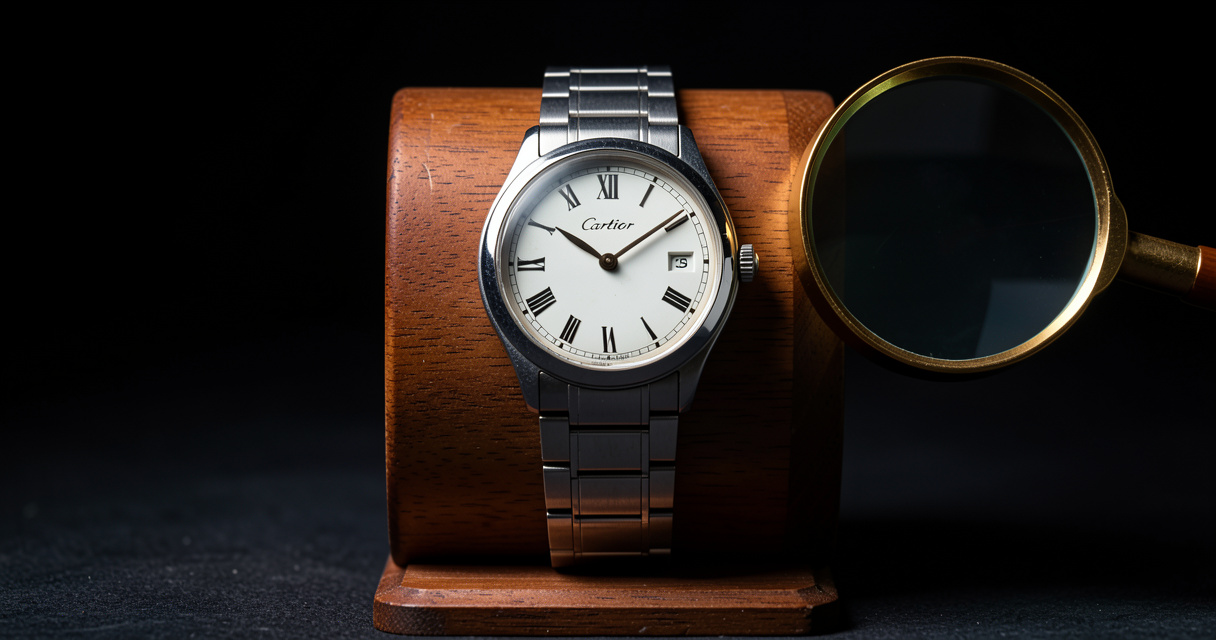
How to Authenticate a Vintage Cartier Watch in 5 Steps
Counterfeit Cartiers are rampant. Even experienced collectors get fooled. Here is a proven five-step method to verify a Cartier watch authenticity before you buy.
- Examine the movement for Swiss markings and the Cartier signature. Pre-1980s watches used mechanical movements from makers like Audemars Piguet; quartz movements became common in the Must line.
- Check the dial for correct font, spacing, and “Swiss Made” at 6 o’clock. The Cartier name should be precisely printed, not slightly tilted or blurry.
- Verify the crown – genuine Cartiers have a cabochon sapphire or the classic Cartier cross design. Many fakes use a generic steel crown.
- Confirm the case back engraving includes the model and serial numbers. Cartier stamps both on the exterior or interior. The numbers should align with known reference tables.
- Weigh the watch. Authentic gold or steel models have a solid, balanced feel. Ultra-light watches often indicate base metal with plating.
Expert Tip: True vintage Cartier watches (pre-1980) almost always have mechanical movements; quartz became common only in the 1980s Must line. If a seller claims a 1960s Tank is quartz, walk away.
After movement and dial, examine the bracelet. Cartier used specific end-links and clasp signatures. Fake straps often have rough edges or incorrect buckle engravings. Finally, consult a certified specialist – a trained eye can spot subtle tells that photos miss. Following this checklist eliminates 90% of counterfeits.
- Movement has Cartier and Swiss markings
- Dial font crisp, “Swiss Made” present
- Crown has sapphire or cross
- Case back numbers match reference tables
- Weight feels substantial
- Bracelet clasp has Cartier logo
- No glue or misaligned screws
- Movement runs smooth and accurate
- Seller offers return policy
- Independent appraisal confirms
Once you have confirmed authenticity, the next question is: which model offers the best entry point? That is where the Must de Cartier line shines.
The Must de Cartier Phenomenon: Affordable Vintage for New Collectors
In the 1970s and 80s, Cartier launched the Must de Cartier line – a range of more affordable, often quartz-powered watches that democratized the brand. These watches are the most common vintage Cartiers on the market, and they represent the ideal entry point for new collectors.
History of the Must de Cartier
The Must line was conceived as a way to attract younger buyers. It used gold-plated cases, quartz movements (Swiss or Japanese), and dials that echoed classic Cartier designs. Prices started around $200 in the 1980s – a fraction of a gold Tank. Today, these watches trade on the secondary market for $500–$1,000, making them the most accessible authentic vintage Cartier watches.
Definition: Must de Cartier: a line of more affordable, often quartz-powered watches launched in the 1970s–80s to broaden Cartier’s audience. They are not lesser Cartiers – they are simply the line that made Cartier wearable for a generation.
What to Look For in a Must Watch
Condition is critical. The gold plating wears off over time, especially on the case back and bracelet. Look for crisp dial printing and a clean crystal. Many Must watches have been poorly serviced with generic batteries – insist on a fresh, brand-name replacement. The Must de Cartier watch is a wonderful starter, but it will not appreciate significantly. Buy it for the aesthetic, not the investment.
Now that we have covered the most affordable vintage Cartier, let us look at the full price spectrum.
Price Guide: What You’ll Pay for a Vintage Cartier in 2026
Pricing for vintage Cartier watches varies widely based on model, era, condition, and provenance. Here is a tiered breakdown based on current market data from Chrono24 and auction houses.
Entry-Level (Under $1,000)
The sweet spot for beginners: 1980s Must de Cartier quartz watches in steel or gold-plated. Expect to pay $581–$698 for a good daily wearer. No box, no papers – but authentic if properly vetted. These are perfect for those who want Cartier style without the commitment.
Mid-Range ($1,000–$5,000)
This bracket covers most mechanical models: Santos Galbée steel, Tank Louis (mechanical, gold), and two-tone Panthères. Prices cluster around $2,000–$4,000 for good-to-excellent condition. A complete set with original box and papers can add 20–40% to the price.
High-End Auctions ($5,000+)
Here we enter the world of rare Tanks, early Santos Dumont, and the legendary Crash. Auction houses like Sotheby’s regularly sell rare Cartiers for $10,000–$100,000. These pieces demand provenance and expert authentication. The discerning collector knows that the highest prices are reserved for watches with documented history and exceptional condition.
| Price Tier | Model Examples | Typical Condition Factors | Where to Buy |
|---|---|---|---|
| Under $1,000 | Must de Cartier quartz, steel | Moderate wear, gold-plate fading | Chrono24, eBay (with caution) |
| $1,000–$5,000 | Santos Galbée, Tank Louis mechanical | Good to excellent, may lack box | Specialist dealers, WatchBox |
| $5,000+ | Rare Tank, Crash, early Santos | Mint, with box and papers | Sotheby’s, Phillips, certified dealers |
Knowing the price is one thing. Knowing how to care for your new purchase is another.
Caring for Your Vintage Cartier: Maintenance, Servicing, and Storage
A vintage Cartier watch is a precision instrument and a piece of history. Proper care ensures it remains both functional and beautiful for decades.
Movement Servicing Interval
Mechanical movements should be serviced every 3–5 years by a watchmaker experienced with vintage Cartiers. Quartz movements need battery replacements every 1–2 years; during battery change, ask the watchmaker to check the seals. Never use a generic battery – poor voltage can damage the circuit.
Bracelet and Strap Care
Gold-plated Must bracelets wear thin over time. Avoid exposure to chlorine, salt water, and harsh chemicals. Leather straps should be replaced every 1–2 years – choose a high-quality aftermarket strap from a reputable maker. Original Cartier straps are expensive but worth it for collectors.
Storage and Humidity Control
Store your vintage Cartier in a dry, cool place away from direct sunlight. A watch winder is optional for automatic movements but not necessary. Humidity is the enemy – it causes condensation inside the case and rust on the movement. A silica gel pack in the watch box helps.
- Monthly: wind mechanical watch if not worn
- Monthly: wipe case with soft cloth
- Every 6 months: check crown tightness
- Annually: test water resistance at a watchmaker (if applicable)
With proper care, your vintage Cartier will outlast you. Now, where should you buy one?
Where to Buy Vintage Cartier Watches: Trusted Sources and Red Flags
Finding an authentic vintage Cartier watch requires navigating a landscape of dealers, auctions, and marketplaces. Here is our curated guide to the best sources – and the warning signs to avoid.
Specialist Dealers
Dealers like Louis Martin, Analog:Shift, and WatchBox specialize in pre-owned luxury watches. They offer authentication guarantees, return policies, and often a short warranty. Prices are higher than private sales, but the peace of mind is worth it. “We handpick every piece and ensure it has been serviced by a Cartier-approved workshop,” says a founding partner from Analog:Shift.
Auction Houses
Sotheby’s, Christie’s, and Phillips hold regular watch auctions. These are excellent for rare and high-end pieces. Provenance is documented, and the bidding process is transparent. However, buyer’s premiums (20–25%) can push costs higher than market value.
Online Marketplaces
Chrono24 is the largest online marketplace for watches. It offers buyer protection and a wide selection. However, not every seller is vetted – always check reviews and request detailed photos. eBay can yield bargains but is riskier; only buy from sellers with a long positive history and a return policy. Never wire money; use platform checkout for protection.
Private Sales
Buying from a friend or a collector group on social media can save money, but authentication is your sole responsibility. Insist on meeting in person at a watchmaker’s shop for a quick appraisal.
| Source | Trust Level | Authenticity Guarantee | Pricing | Suitable For |
|---|---|---|---|---|
| Specialist Dealers | High | Yes | Market + 20% | First-time buyers, serious collectors |
| Auction Houses | Very High | Yes | Market + premium | Rare pieces, investors |
| Chrono24 | Medium-High | Depends on seller | Market to low | Experienced buyers |
| eBay | Low-Medium | No (buyer beware) | Lowest | Experts only |
| Private Sales | Variable | No | Below market | Well-informed collectors |
Whether you buy from a dealer or an online marketplace, the golden rule applies: if the price seems too good to be true, it is. Trust your instincts and the authentication steps we have shared.
Questions fréquentes
How can I tell if a vintage Cartier watch is authentic?
Focus on the movement signature (often hidden under the case back), the “Cartier” font on the dial, crown placement/engraving, and the “Swiss Made” hallmark. Serial numbers can be checked against known records. When in doubt, consult a certified specialist.
Which vintage Cartier model is best for a beginner collector?
The Must de Cartier quartz models from the 1980s offer an authentic vintage Cartier experience at an affordable entry price (often $500–$1,000). They are easy to wear and maintain.
Are vintage Cartier watches a good investment?
Certain models, especially rare Tanks and the Crash, have seen significant auction prices. However, common quartz models may not appreciate much. The market generally favors mechanical movements and original condition.
What is the difference between a Cartier Tank and a Santos?
The Tank has a rectangular case inspired by military tanks, while the Santos has a square case with exposed screws. The Santos was originally designed as a pilot’s watch. Both are iconic but suit different wrist shapes and styles.
Do vintage Cartier watches hold their value?
On average, well-preserved stainless steel quartz models hold their value but don’t skyrocket. Gold models and rarer mechanical pieces tend to appreciate more. Condition, originality, and completeness (box/papers) are key.
Can I wear a vintage Cartier watch every day?
Yes, many vintage Cartiers are robust and wearable daily, but be mindful of water resistance (most pre-1990s are not water-resistant). Regular servicing every 3–5 years is recommended for longevity.
Where can I find affordable vintage Cartier watches under $1,000?
The most affordable options are early Must de Cartier quartz watches from the 1980s. Check platforms like Chrono24 and WatchBox, but always verify authenticity. Steel models are typically cheaper than gold.
Conclusion: Your Vintage Cartier Awaits
We have covered the heritage, the models, the authentication steps, the price guide, the maintenance tips, and the best places to buy. A pre-owned Cartier timepiece is more than a watch – it is a connection to a century of design excellence, a statement of personal style, and a surprisingly accessible entry point into the world of fine horology.
Whether you are a seasoned collector or taking your first step into horology, now is the time to embrace the enduring charm of a vintage Cartier watch. Start your search with confidence – the perfect piece is waiting on your wrist.