

Reading time : 15 min
Table of Contents
- Key takeaways
- The Evolution of the Luxury Lifestyle Magazine in 2026
- From Glossy Print to Immersive Digital Curation
- Targeting the Self-Actualizing Connoisseur
- Luxury Travel & Hotel Reviews: Vetting the World’s Best Sanctums
- The Professional Curation Framework
- Quiet Luxury and the Art of Service
- Fine Dining & Culinary Artistry: Beyond the Michelin Stars
- The Rise of Experiential Gastronomy
- Hyper-Local Sourcing and Zero-Waste Kitchens
- Quiet Luxury Style: Curating High Fashion and Bespoke Wardrobes
- The Wardrobe of the Modern Jetsetter
- Sustainable Haute Couture and Clean Beauty
- Premium Beauty & Wellness: The New Frontier of Affluence
- The Rise of Scientific Wellness Retreats
- Bespoke Skincare for Frequent Fliers
- The Future of Curation: Sustainability and AI-Enabled Bespoke Journeys
- AI-Driven Hyper-Personalization in Travel Planning
- Carbon-Neutral Hospitality Verification
- Frequently asked questions
Key takeaways
- The luxury market in 2026 is defined by a shift toward 'sanctuary-first' quiet luxury over loud displays of wealth.
- Rigorous, anonymous vetting is essential to separate genuine, sustainable five-star retreats from performative marketing.
- Modern fine dining guides prioritize experiential gastronomy, zero-waste kitchens, and Mediterranean sharing concepts.
- A quiet luxury wardrobe utilizes logo-free, high-quality natural fabrics designed for modular long-haul travel.
- Bespoke beauty and wellness systems focus on scientific longevity, skin microbiome defense, and data-driven retreats.
A morning mist rises off the Seine, catching the pale gold light of June in Paris as a private chauffeur guides us toward the Left Bank. As the global luxury travel market moves toward a projected $1.73 trillion valuation by 2026, the demand for authentic, elite curation has never been more urgent. In an era where algorithms dictate aesthetics, finding a true sanctuary becomes an art. Discerning travelers face a saturated digital landscape filled with generic reviews and sponsored content, making it difficult to find truly vetted, exceptional five-star experiences. This is where the role of Alto, as a dedicated luxury lifestyle magazine, becomes indispensable. Our editorial mission goes beyond cataloging expensive suites; we provide rigorous luxury travel and hotel reviews and curate an uncompromising fine dining guide for the globally-minded citizen.
The Evolution of the Luxury Lifestyle Magazine in 2026
A thick sheet of heavy, textured cotton paper sliding between the fingers, followed by the silent, fluid interface of an invite-only digital portal. This season’s answer to the digital noise is not more content, but radical distillation. The role of premium lifestyle magazines has fundamentally transformed in 2026. The modern reader is no longer interested in generic roundups of expensive destinations or gold-leaf hotel lobbies. True sophistication lies in specificity: the exact table, the precise hour, the unrepeatable encounter.
From Glossy Print to Immersive Digital Curation
How are premium lifestyle magazines changing in 2026? They are evolving from static showcases of wealth into active, curated ecosystems. The modern print edition serves as a tactile gallery, while the digital extension offers real-time, bespoke access. According to Fortune Business Insights, the global luxury travel market is projected to reach between $1.73 trillion and $2.94 trillion by 2026, registering a CAGR between 6.5% and 8.7% (2025). This massive expansion is fueled by a profound behavioral shift. Travelers are no longer buying status; they are investing in rare experiences and emotional resonance.
Our editorial approach at Alto has adapted to this shift. The modern publication must act as a filter. We reject sponsored itineraries and glossy press releases, opting instead for anonymous, self-funded journalism. What defines a modern luxury publication is its willingness to speak with absolute authority, offering the edit: a selection so precise that it eliminates the burden of choice.
Targeting the Self-Actualizing Connoisseur
The demographic of 2026 is younger, globally mobile, and intensely focused on personal growth. Wealth is no longer demonstrated through conspicuous consumption, but through intellectual curiosity and physical well-being. The modern traveler seeks out locations that challenge their perspectives and restore their equilibrium. This shift to ‘sanctuary-first’ travel over loud displays of wealth is the defining trend of our decade.
Defining ‘Post-Luxe’ Travel: Post-luxe hospitality shifts the focus from material acquisition to emotional fulfillment. It values architectural harmony, deep cultural integration, and ecological preservation, recognizing that the greatest luxury is the curation of uninterrupted time and peace.
By aligning editorial coverage with these values, we ensure that every review speaks directly to the needs of the self-actualized traveler. Before we check in to any suite, we must examine the rigorous criteria that separate true sanctuaries from standard five-star hospitality.
Luxury Travel & Hotel Reviews: Vetting the World’s Best Sanctums
Professional luxury travel and hotel reviews require anonymous, first-hand inspections that evaluate properties on discrete service, architectural restoration, wellness facilities, and ecological footprint. Modern luxury lifestyle magazines use this rigorous vetting process to guide readers toward true sanctuary-first hospitality over generic five-star rankings.
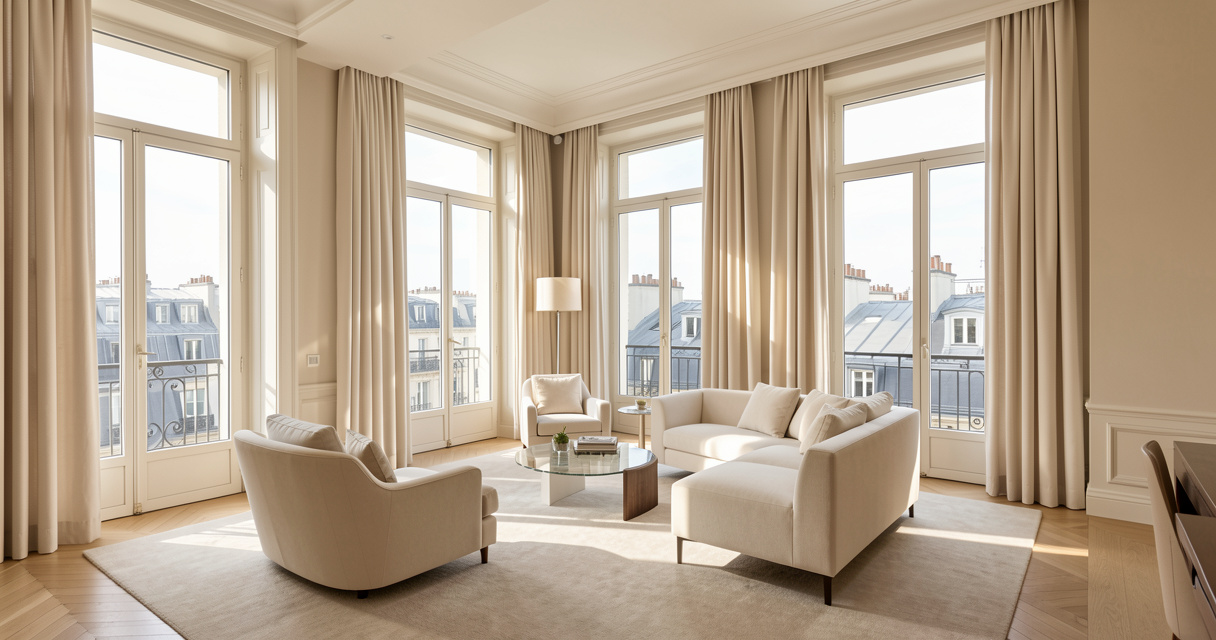
The creak of antique oak parquet floorboards beneath a hand-woven wool rug, the subtle aroma of custom-blended cedarwood and green tea filling the air, and the soft light of a Parisian morning filtering through towering French doors. This is the sensory greeting at the Mandarin Oriental Lutetia in Paris, situated in the historic 6th arrondissement. Here, the historic facade of the Left Bank meets a modern, sanctuary-first design. It is the kind of hotel that does not shout its presence, yet commands respect through every detail.
The Professional Curation Framework
How do experts perform luxury travel and hotel reviews? The process is a combination of rigorous methodology and sharp intuition. We inspect each property anonymously, booking under pseudonym accounts and paying full rates to guarantee an authentic guest experience. Our journalists evaluate hotels against a strict, multi-dimensional framework that prioritizes space, privacy, and architectural authenticity. We look for local craftsmanship, historical preservation, and the seamless integration of modern wellness technologies.
During our inspection of the Mandarin Oriental Lutetia, we analyzed how the property honors its Art Deco heritage while providing cutting-edge acoustic isolation and wellness suites. The hotel is a masterclass in Left Bank refinement, demonstrating what makes a hotel a true sanctuary in Paris. Every space feels deliberate, designed to protect the guest from the frantic energy of the city outside.
Quiet Luxury and the Art of Service
In 2026, the definition of service has shifted. Traditional five-star properties often confuse luxury with constant attention, resulting in intrusive interactions. Modern quiet luxury demands a different approach. The discerning traveler knows that the best service is invisible yet omnipresent, anticipating needs before they are articulated.
| Traditional Luxury | Quiet Luxury (Post-Luxe) |
|---|---|
| Gilded decor, massive chandeliers, and ostentatious displays. | Minimalist design, local materials, and architectural integration. |
| Transactional service and constant, highly visible staff presence. | Discreet, intuitive service that respects the guest’s privacy. |
| Standardized suites with generic high-end amenities. | Sanctuary-first rooms featuring bespoke scent profiles and wellness systems. |
| Basic or performative sustainability efforts. | Verified carbon-neutral operations and deep local conservation integration. |
This vetting process ensures that only properties meeting these modern quiet luxury standards are featured in our exclusive hotel reviews. Book it. Now. If you seek an escape that honors your privacy, these curated sanctuaries are worth every mile. From the quiet comfort of a Left Bank suite, the discerning traveler’s attention naturally shifts to the table, where the culinary world is undergoing an equally profound transformation.
Fine Dining & Culinary Artistry: Beyond the Michelin Stars
The crackle of dried olive wood burning in an open hearth, the sharp aroma of wild oregano and fresh lemon oil, and the vibrant colors of heirloom tomatoes served on hand-thrown terracotta. This is the opening scene at Candela in Paris, a culinary space that opened its doors in April 2026. The restaurant rejects the stiff, white-tablecloth atmosphere of traditional high-end dining, focusing instead on Mediterranean sharing plates. Quietly, this became the most talked-about culinary opening of the season, showing that modern culinary artistry is defined by community, ingredient purity, and sensory theater.
The Rise of Experiential Gastronomy
What does a modern fine dining guide look like in 2026? It is no longer a checklist of restaurants with formal service and complex sauces. Instead, our fine dining guide highlights establishments that create deep connections between the diner, the chef, and the origin of the food. According to Research and Markets, the global fine dining restaurant market was valued at approximately USD 191.11 billion in 2025 and is projected to reach USD 289.87 billion by 2031, growing at a CAGR of 7.19% (2025). This growth reflects a rising demand for dining experiences that offer narrative and authenticity over traditional luxury tropes.
What are the culinary trends for 2026? The modern diner seeks out experiential gastronomy: menus that tell a story, open kitchens that demystify the culinary process, and dishes designed for interactive sharing. The traditional boundaries between the kitchen and the dining room have collapsed, creating a more relaxed, sensory-driven atmosphere.
Inside Candela Paris: Located in the 8th arrondissement, Candela captures the spirit of the Mediterranean coast. The kitchen utilizes only wood-fire cooking and raw preparations, sourcing seafood daily from sustainable dayboats in Brittany. Chef Alessandro Rossi describes the concept: “We wanted to strip away the pretense of fine dining and return to the primary emotion of food—heat, salt, smoke, and sharing.”
Hyper-Local Sourcing and Zero-Waste Kitchens
The finest kitchens in 2026 operate on a philosophy of ecological stewardship. Modern fine dining must be sustainable by design. Zero-waste cooking is no longer a marketing slogan; it is a fundamental kitchen discipline. Chefs are partnering directly with micro-farms, sourcing heirloom seeds, and utilizing advanced fermentation techniques to preserve every scrap of produce.
This focus on ingredient integrity means that the menus are highly seasonal, changing weekly or even daily depending on what is harvested. For the traveler, seeking out these zero-waste dining experiences is worth every mile. Just as the modern plate has been stripped of unnecessary pretense, so too has the wardrobe of the global traveler, moving toward a philosophy of quiet luxury style.
Quiet Luxury Style: Curating High Fashion and Bespoke Wardrobes
The cool touch of un-dyed Mongolian cashmere against the skin, the fluid drape of silk-linen trousers that move with the body, and the clean lines of a tailored trench coat free of branding. This is the visual vocabulary of the modern jetsetter. In 2026, the global fashion landscape has moved away from visible logos and loud patterns. The emphasis is entirely on materials, craftsmanship, and silhouette. The edit: a curated travel wardrobe that is elegant, versatile, and understated.
The Wardrobe of the Modern Jetsetter
How do you style quiet luxury for travel? The key is building a modular capsule wardrobe of high-quality essentials that can be mixed and matched. Travelers must prioritize comfort during long flights without sacrificing elegance. By selecting pieces made from natural fibers like cashmere, silk, and organic cotton, you can maintain temperature regulation and look polished upon arrival. This approach to dressing defines the essence of quiet luxury style, where the quality of the garment is felt by the wearer rather than announced to the room.
- The Unstructured Cashmere Blazer: A double-faced Loro Piana knit that resists creases and transitions effortlessly from flight to lounge.
- Silk-Linen Wide-Leg Trousers: Designed for temperature regulation and elegant movement during long transits.
- Logo-Free Leather Slip-Ons: Hand-stitched calfskin loafers that slip off easily at security yet command respect in any dining room.
- The Silk Travel Scarf: A neutral-toned, hand-rolled silk wrap to shield against cabin drafts and add subtle texture.
- The Modular Trench: A water-resistant, lightweight cotton gabardine trench coat tailored for layering.
Sustainable Haute Couture and Clean Beauty
What is high-end beauty and fashion in 2026? It is an industry that has aligned itself with sustainability and clean ingredients. The modern luxury shopper demands transparency, seeking out brands that practice ethical sourcing and carbon-neutral manufacturing. We are seeing a rise in bespoke fashion houses that produce items only on demand, eliminating overproduction and ensuring that each piece is unique.
This philosophy extends to the cosmetics bag. High-end beauty now prioritizes organic, bio-compatible formulations that nourish the skin without synthetic additives. This integration of clean cosmetics and sustainable wardrobes completes the aesthetic of the modern traveler. An elegant wardrobe, however, is merely the frame; the true glow of the modern traveler emanates from within, fueled by the latest advancements in premium beauty and wellness.
Premium Beauty & Wellness: The New Frontier of Affluence
The soothing hum of a hyperbaric chamber, the cool glide of custom-formulated botanical lipids across tired skin, and the serene view of alpine peaks through the floor-to-ceiling windows of a medical spa. This is the modern landscape of high-end beauty and fashion, where wellness has become the ultimate status symbol. True luxury is no longer about outward display; it is about longevity, cellular health, and cognitive clarity. The discerning traveler understands that their physical state is the true reflection of their lifestyle.
The Rise of Scientific Wellness Retreats
Why is wellness the new luxury standard? Because health is the one asset that cannot be bought off a shelf. The global elite are seeking out medical wellness retreats that offer personalized, data-driven therapies. From genetic mapping and epigenetic testing to hyperbaric oxygen therapy and personalized nutrition plans, these sanctuaries provide a comprehensive approach to health. Properties like Clinique La Prairie in Switzerland or the Forestis in South Tyrol have become the new destinations of choice, where guests undergo intensive, scientific programs designed to optimize their biology.
Bespoke Skincare for Frequent Fliers
What are the top high-end beauty routines for travelers? The modern beauty routine is highly personalized, utilizing bespoke skincare formulations tailored to an individual’s skin microbiome and travel schedule. Pressurized cabins and constant time-zone shifts expose the skin to significant oxidative stress, requiring a targeted defense strategy. Our editors have vetted the top routines to establish a simple, highly effective inflight ritual that protects the skin barrier.
- Step 1: Pre-Flight Double Cleansing: Prepare the skin barrier with a gentle, non-foaming botanical oil cleanser to remove impurities without stripping lipids.
- Step 2: Hyaluronic Acid & Thermal Mist: Spray organic rosewater mist followed by a multi-molecular hyaluronic acid serum to lock in deep hydration in pressurized cabins.
- Step 3: Ceramide Barrier Cream: Apply a rich, fragrance-free ceramide cream to seal the skin against the drying effects of recycled aircraft air.
- Step 4: Restorative Peptide Lip Treatment: Finish with a thick layer of peptide balm to prevent moisture loss during long transits.
By prioritizing cellular hydration and barrier defense, frequent fliers can maintain a radiant complexion regardless of their itinerary. It is the kind of ritual that transforms the flight into a restorative session. As we refine our personal rituals, the technologies that support our journeys are also evolving, paving the way for a future where curation is both hyper-personalized and deeply ecological.
The Future of Curation: Sustainability and AI-Enabled Bespoke Journeys
A silent electric launch gliding across the glassy waters of a Swiss lake, its path plotted by an algorithm designed to minimize energy consumption while maximizing scenic beauty. In 2026, the integration of sustainability and technology has redefined the travel planning process. Curation is no longer just about selecting a destination; it is about designing a carbon-neutral journey that adapts to the traveler’s physical state and preferences in real time. The modern traveler demands ecological integrity without compromising on luxury.
AI-Driven Hyper-Personalization in Travel Planning
Is AI changing how exclusive hotels are reviewed? Yes, but not in the way many anticipated. AI does not replace the human reviewer; instead, it serves as an analytical tool that enhances human expertise. By processing vast amounts of environmental data, guest feedback, and operational statistics, AI helps us identify properties that are truly performing at the highest standards. The discerning traveler knows that while an algorithm can coordinate logistics, only a human curator can verify the emotional resonance of a property. Our editorial team uses these AI tools to refine our exclusive hotel reviews, ensuring that every recommendation is backed by data and validated by first-hand experience.
Carbon-Neutral Hospitality Verification
How does sustainability merge with five-star hospitality? It does so through transparent, verified practices. In 2026, we look for properties that are carbon-neutral by design. This means evaluating a hotel’s energy sources, waste management systems, and local agricultural partnerships. We verify these claims through independent audits, looking for certifications that guarantee true ecological stewardship rather than performative measures. Sustainability must be woven into the fabric of the guest experience, from geothermal heating to farm-to-table dining networks.
“Last autumn, as I prepared for a journey across the Swiss Alps, our editorial team utilized a hybrid AI-human curation engine to map a completely carbon-neutral itinerary. The system did not simply suggest eco-lodges; it coordinated a seamless connection between electric vehicles, high-speed rail, and properties powered by geothermal energy, including the Forestis in South Tyrol. The hyper-personalized itinerary adjusted dynamically in response to weather shifts, reserving a private thermal bath at the precise hour the rain began. It was an experience where technology served as a silent, invisible butler, proving that sustainability and absolute comfort are no longer mutually exclusive.”
This integration of technology and sustainability represents the future of travel. It shows that we can explore the world while protecting it, ensuring that the sanctuaries we love remain for future generations. Ultimately, these advancements point to a broader shift in how we define luxury itself.
The evolution of luxury has brought us to a place of deep refinement. We have seen how premium magazines have shifted from surface-level wealth displays to deep, experiential storytelling, focusing on quiet luxury, wellness, and sustainability in hotel and dining standards. The emerging role of AI in crafting hyper-personalized, eco-conscious itineraries is not replacing the human touch, but enhancing it, allowing us to discover true sanctuaries that respect both the traveler and the planet. As a premium luxury lifestyle magazine and hotel reviews authority, we remain committed to vetting these exceptional spaces with absolute integrity. As the lines between sustainability, technology, and absolute comfort continue to blur, will your next escape be defined by the grandeur of the destination, or the quiet luxury of the journey itself?
Frequently asked questions
What does a luxury lifestyle magazine cover?
A premium luxury lifestyle magazine covers five-star travel, hotel reviews, fine dining guides, high-end fashion, and exclusive property. It provides curated recommendations for discerning global citizens.
What is the difference between traditional and quiet luxury?
Traditional luxury highlights brand logos, lavish decoration, and status symbols. Quiet luxury focuses on understated elegance, discreet high-quality materials, architectural harmony, and hyper-personalized experiences.
How do experts review luxury hotels?
Experts conduct anonymous inspections focusing on service discretion, local integration, custom guest profiles, and eco-sustainability credentials, rather than standard check-list items.
What is experiential fine dining?
Experiential dining blends exceptional culinary artistry with sensory storytelling, immersive restaurant atmospheres, and hyper-local, transparent ingredient sourcing.
Are modern luxury travel guides sustainable?
Yes, top publications increasingly focus on carbon-neutral flights, luxury eco-lodges, zero-waste kitchens, and community-supporting conservation efforts.