


Reading time: 15 min
Table of Contents
- Key Takeaways
- Gold Alloys & Karats: Why 18K Isn’t Always Better
- The Karat Scale in Watchmaking
- Why 9K and 14K Exist (Historical Context)
- Yellow, White & Rose Gold: Key Differences
- Solid Gold vs. Gold-Filled vs. Gold-Plated: What Really Matters
- Gold Plating: The Budget Option
- Gold-Filled: The Vintage Workhorse
- Solid Gold: The Investment
- Gold Hardness & Scratch Resistance: Can You Wear It Daily?
- The Hardness Testing Reality
- Proprietary Alloys: Magic Gold, Armor Gold, Honey Gold
- Top Gold Watch Brands for Every Budget
- Affordable Gold Finishes (
- Mid-Range Solid Gold Options
- High-End Investment Pieces
- Are Gold Watches a Good Investment?
- Resale Value by Brand
- Gold Content vs. Brand Premium
- How to Maintain a Gold Watch: Cleaning, Storage & Repairs
- Daily Cleaning Routine
- When to Seek Professional Service
- Frequently Asked Questions
- Final Word
Key Takeaways
- Karat matters more than price: 14K offers the best balance of durability and gold content for daily wear; 18K is softer but richer in color.
- Construction determines longevity: Solid gold lasts a lifetime, gold-filled can last decades, gold-plated wears off in months.
- Color affects maintenance: White gold requires periodic rhodium plating; rose gold deepens with age; yellow gold is the most forgiving.
- Proprietary alloys exist: O-Mega Magic Gold and IWC Armor Gold improve scratch resistance but at a premium.
Did you know the average price of a men’s gold watch on popular resale platforms exceeds $30,000? Yet most buyers don’t understand the difference between 14K and 18K, or solid gold and gold-filled. This gold watch guide cuts through the confusion. Whether you’re searching for a first gold watch or adding to a collection, understanding gold watch types and materials is the foundation of a wise purchase. The discerning traveler knows that a watch is more than an accessory—it’s a companion for years. But with terminology like karat, gold-filled, vermeil, and plating flying around, even seasoned shoppers can feel lost. We’ve spent years evaluating timepieces from Place Vendôme to Ginza, and we’re here to give you the gold watch buying tips that actually matter.
Gold Alloys & Karats: Why 18K Isn’t Always Better
The first thing to understand: pure 24K gold is too soft for watch cases. That’s why watchmakers use alloys. The karat system tells you the percentage of pure gold by weight. Here is the table that every buyer should memorize:
| Karat | Gold % | Typical Use | Scratch Resistance | Example Brand |
|---|---|---|---|---|
| 9K | 37.5% | Budget watches | Good | Nixon |
| 14K | 58.5% | Daily wear | Very good | Rolex Oyster Perpetual |
| 18K | 75% | Luxury pieces | Moderate | Cartier Tank |
| 24K | 99.9% | Rare, pure gold | Poor (not used in cases) | None |
The Karat Scale in Watchmaking
In Europe, 18K (750/1000) is the standard for luxury watches. In the United States, 14K (585/1000) dominates because it’s harder and more affordable. 9K gold (375/1000) is common in the UK and Australia for entry-level pieces. The trade-off is simple: higher gold content means richer color and higher intrinsic value, but lower hardness. That’s why a 14K gold watch can take more daily knocks than its 18K counterpart.
So why do brands like Cartier and Piaget insist on 18K? Because for them, the color and prestige outweigh the risk of scratches. “We use 18K because it offers the most saturated yellow tone,” a Cartier product director once told us. “Our clients expect that warm glow.” Worth every mile if you’re wearing it to the Ritz—but maybe not for a weekend hike.
Why 9K and 14K Exist (Historical Context)
The 9K standard was introduced in 19th-century England to make gold more accessible without resorting to outright fake gold. In the US, 14K became the default because it offered a near-perfect balance of durability and purity for everyday jewelry. This is why many vintage American watches from the 1950s and ’60s are 14K, while European counterparts are 18K. Knowing this historical context helps when evaluating second-hand pieces. The answer to “What karat gold is best for a watch?” depends entirely on your lifestyle. For everyday robustness, 14K is the quiet hero. For occasional elegance, 18K delivers unmatched warmth.
So why do brands like Cartier and Piaget insist on 18K? Because for them, the color and prestige outweigh the risk of scratches. “We use 18K because it offers the most saturated yellow tone,” a Cartier product director once told us. “Our clients expect that warm glow.” Worth every mile if you’re wearing it to the Ritz—but maybe not for a weekend hike.
Yellow, White & Rose Gold: Key Differences
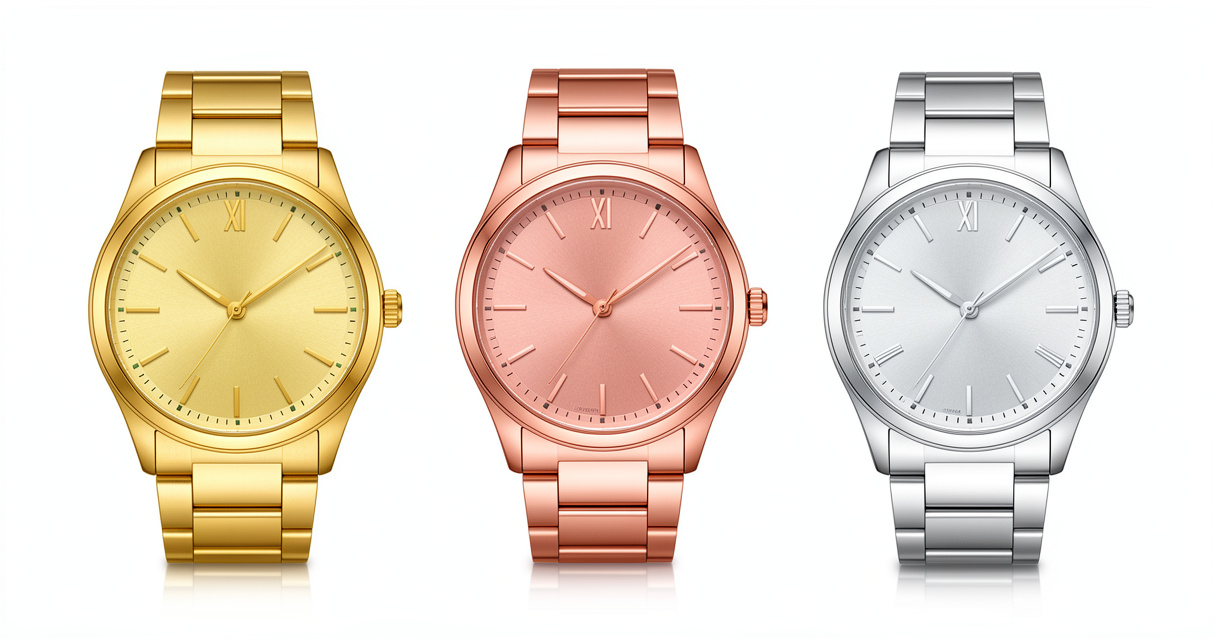
The color of gold is determined by the alloy metals mixed in. Rose gold vs yellow gold watch decisions often come down to personal taste, but the underlying metallurgy affects durability and care. Let’s break down each hue.
Yellow gold is the classic. It’s alloyed with silver and copper in varying proportions. A typical 18K yellow gold contains 75% gold, 12.5% silver, and 12.5% copper. This composition yields a warm, buttery tone that doesn’t change over time. It’s the most hypoallergenic option after pure gold because it often avoids nickel.
White gold is created by alloying gold with palladium or nickel, then coated with rhodium for a brilliant white finish. The catch: rhodium plating wears off over time, revealing a slightly yellowish underlay. Most white gold watches need re-plating every 2–3 years, depending on wear. If you have a nickel allergy, ask for palladium-based white gold — it’s more expensive but hypoallergenic. Tip: Many affordable white gold watches use nickel, which can cause skin reactions. Always check the alloy composition before purchase.
Rose gold is the romantic of the family. It’s gold alloyed with copper (and sometimes a pinch of silver). The copper gives it a pinkish hue that deepens over decades as the surface oxidizes slightly. Contrary to popular belief, rose gold doesn’t tarnish like silver; it merely develops a richer patina. This is a feature, not a flaw. Which gold color is most scratch-resistant? Yellow and rose gold are comparable; white gold’s rhodium layer adds temporary hardness but scratches can expose the base alloy.
Does white gold require more maintenance? Absolutely. The rhodium plating is a sacrificial layer. Budget for re-plating every few years. Rose gold and yellow gold are essentially maintenance-free in terms of color. The choice is as much about personality as practicality. This season’s answer to understated elegance? A rose-gold watch on a leather strap, quietly the most talked-about combination at Baselworld last year.
Solid Gold vs. Gold-Filled vs. Gold-Plated: What Really Matters
The term “gold watch” can mean vastly different things. Understanding the construction method is more important than the brand name. Let’s cut through the jargon — solid gold vs gold-filled watch distinctions are the key to making an informed purchase.
Gold Plating: The Budget Option
Gold plating involves electroplating a thin layer of gold (typically 0.5–2 microns) onto a base metal like brass or stainless steel. It looks good on day one, but it wears off relatively quickly — often within 1–3 years of daily use, especially on edges and the bracelet. Most fashion-brand “gold” watches under $500 are gold-plated. They’re fine for occasional wear, but not for daily use. We’ve seen too many disappointed buyers whose “gold watch” turned silver after a season.
Gold-Filled: The Vintage Workhorse
Gold-filled (also called rolled gold or gold cap) is a mechanical bonding of a thick gold layer — at least 5% of the total weight — to a base metal. This is not plating; it’s a fused sheet that can last for decades. The YouTube collector we spoke with shared a story of his grandfather’s Omega Seamaster DeVille with a gold-filled case: “It was worn daily for 35 years,” he said. “The only sign of wear is a slight thinning on the crown. The case itself is still beautiful.” That’s the real-world longevity of gold-filled. Vintage Omegas, Longines, and Rolexes from the 1950s–70s often use gold-filled construction, and they’re still in circulation. If you’re looking for value, a pre-owned gold-filled watch is a smart choice.
Solid Gold: The Investment
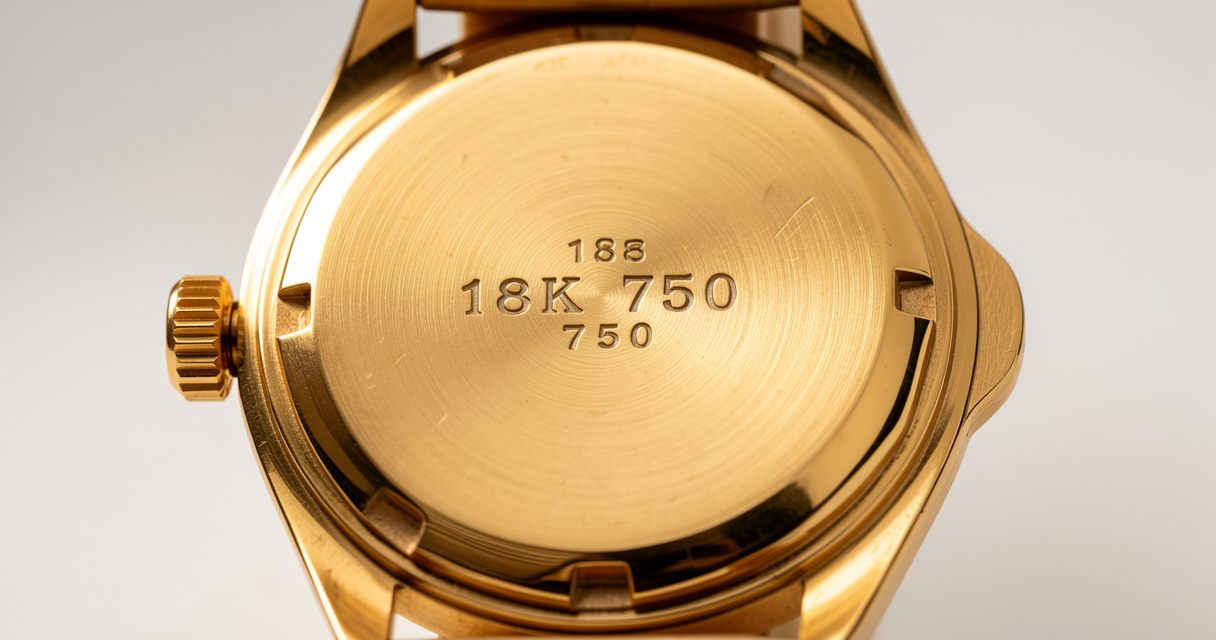
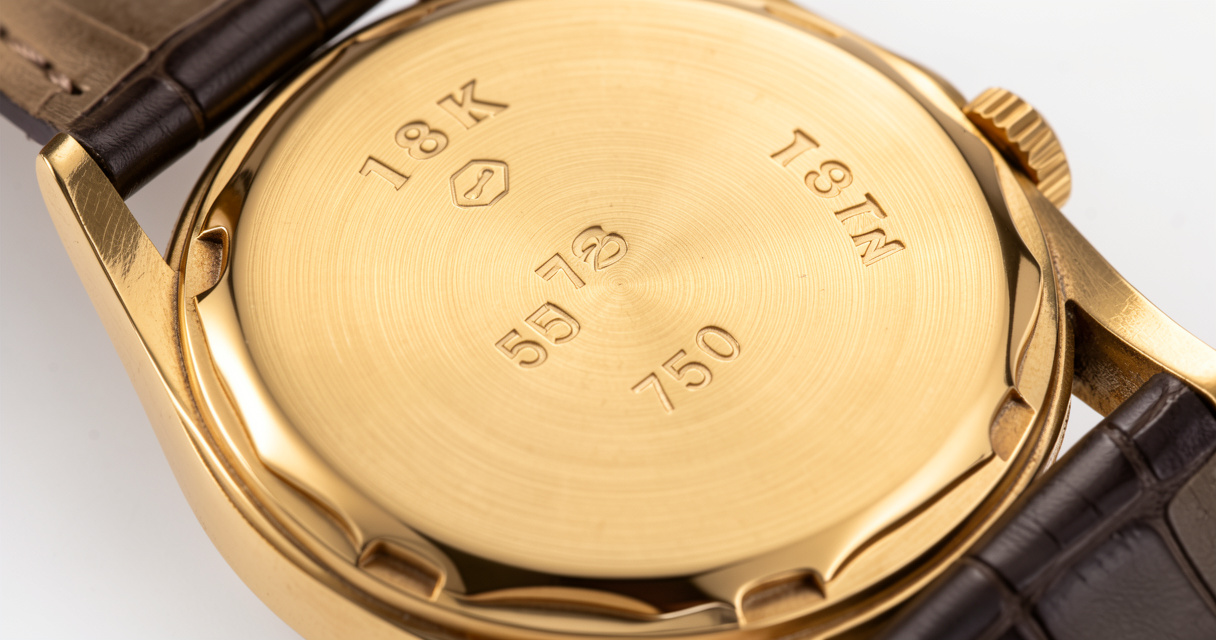
Solid gold means the entire case is made from a gold alloy — 9K, 14K, or 18K. It’s the most expensive option, but it’s also the most durable in terms of scratch depth (though softer karats may still scratch). A solid gold watch is a true heirloom. The hallmark (585, 750, etc.) is your confirmation. The checklist: How to check if your gold watch is solid — Look for stamps like 14K, 18K, 750, 585 on the case back or inside. Use a magnet (gold is non-magnetic). Weigh it — solid gold feels denser than plated or filled. When in doubt, have a jeweler do an acid test.
For daily wear, gold-filled or 14K solid gold strikes the best balance of durability and affordability. Gold-plated is acceptable only if you’re okay with replacing the watch in a few years. The edit: always ask the seller about construction before buying.
Gold Hardness & Scratch Resistance: Can You Wear It Daily?
A gold watch is a daily statement, but how much abuse can it take? We’ve heard the question a hundred times: “Will a gold watch scratch easily?” The honest answer is yes — standard gold alloys score about 150–200 on the Vickers hardness scale. That’s softer than stainless steel (around 600 Vickers). But not all gold is equal.
The Hardness Testing Reality
14K gold is noticeably harder than 18K because the additional base metals (copper, silver) increase hardness. 9K is harder still. If you plan to wear your gold watch every day, 14K is the pragmatic choice. Can you wear a gold watch every day? Absolutely — if you accept that light scratches are part of the patina. Many collectors actually prefer the character that comes with wear. “A pristine gold watch looks like it’s never been worn,” a vintage dealer once told us. “The best ones have a soft, brushed look from years of use.”
Proprietary Alloys: Magic Gold, Armor Gold, Honey Gold
A few manufacturers have developed proprietary gold alloys that push hardness to ceramic levels. O-Mega Magic Gold is a ceramic-gold composite that scores about 1000 Vickers — nearly as hard as sapphire. IWC’s Armor Gold claims to be 5x more scratch-resistant than standard 18K, though independent tests show it’s not significantly harder; the magic is in the finish technology. Rolex uses a proprietary “Everose” gold (their rose gold alloy) that resists fading. These are niche options, but they answer the question: what is the most scratch-resistant gold alloy? For now, O-Mega’s Magic Gold leads the pack. Worth every mile if you need a daily driver that defies wear.
But for most buyers, standard 14K or 18K is perfectly fine. Just don’t expect it to stay flawless. The beauty of gold is that it can be polished — unlike ceramic, which can chip irreparably.
Top Gold Watch Brands for Every Budget
Whether you’re looking for an entry-level piece or a flagship investment, here are the best gold watch brands organized by price and style. The edit:
Affordable Gold Finishes (<$300)
Olivia Burton and Nixon offer gold-plated cases with decent durability for occasional wear. Olivia Burton’s gold mesh watches are popular for women; Nixon’s 41-20 gold-tone chronograph is a solid men’s entry. Most of these use stainless steel cases with gold plating. Acceptable for a season, but don’t expect heirloom quality.
Mid-Range Solid Gold Options
Tissot offers some 18K gold-plated models, but for solid gold, you’ll need to look at pre-owned. Bulova has a few gold-filled models from the 1970s that are still affordable. The best value in this segment is a vintage gold-filled watch from Omega or Longines — often under $1,000 and built to last.
High-End Investment Pieces
Rolex Day-Date in 18K yellow gold is the icon — it retains about 80% of its value over a decade. Cartier Tank in 18K is an enduring design that sells quickly on the secondary market. Piaget’s Altiplano in rose gold is ultrathin and incredibly collectible. If you’re considering a gold Rolex vs Omega for resale, Rolex leads, but certain Omega Speedmaster editions in gold have strong followings.
| Brand | Typical Gold Type | Price Range | Warranty |
|---|---|---|---|
| Olivia Burton | Gold-plated | $100–$250 | 1 year |
| Nixon | Gold-plated | $150–$300 | 2 years |
| Tissot | Gold-plated / Gold-filled (vintage) | $300–$1,000 | 2 years |
| Cartier | 18K solid | $5,000–$30,000 | 2 years |
| Rolex | 18K solid / Everose | $15,000–$75,000 | 5 years |
| Piaget | 18K solid | $10,000–$50,000 | 2 years |
Which luxury gold watch brand holds its value? Rolex and Patek Philippe top the list. But for a unique piece, consider Piaget — their ultra-thin gold watches are works of art.
Are Gold Watches a Good Investment?
This is the question that separates casual shoppers from serious collectors. According to data from ItsHot.com, the average cost of men’s gold watches on their platform is $30,022 (2025 listing data). But that’s list price, not resale. Do gold watches appreciate? Only specific brands and models — the rest depreciate like any other consumer good.
Resale Value by Brand
Rolex Day-Date and certain Patek Philippe gold models have historically appreciated or held value. Most gold watches from fashion brands (even if solid gold) lose 50–70% of retail value within a few years. The market is driven by brand desirability, not gold weight. A Rolex gold watch sells for many times its scrap gold value; a generic gold watch from an unknown brand might only fetch melt value.
Gold Content vs. Brand Premium
A solid 18K gold case might contain $2,000 worth of gold at market rates. But the watch costs $20,000. The difference is the brand premium, movement quality, and design. If you’re buying as an investment, buy a high-status brand with strong aftermarket demand. If you’re buying for the gold content itself, you’re better off with bullion. But the discerning traveler knows that a gold watch is an accessory first, store of value second. That said, a pre-owned Rolex Day-Date from the 1980s in good condition can sell for more than its original inflation-adjusted price — a rare exception.
Is it better to buy a gold watch or gold bullion? If you want liquidity and pure exposure to gold price, buy bullion. If you want to wear your wealth, buy the watch. Both can be good investments, but the watch requires knowledge and patience.
How to Maintain a Gold Watch: Cleaning, Storage & Repairs
Gold watch care is simpler than you think, but there are crucial do’s and don’ts. Let’s start with a checklist.
Do’s and Don’ts of Gold Watch Care
- DO use a microfiber cloth to wipe down after wear — removes oils and dirt.
- DO store gold watches separately in a lined box to avoid scratches from other metals.
- DO have gold-filled watches serviced by a professional who knows how to avoid damaging the gold layer.
- DON’T use toothpaste or abrasive cleaners — they can strip gold plating and scratch solid gold.
- DON’T use ultrasonic cleaners for gold-filled watches — the vibration can separate the gold from the base.
- DON’T expose white gold to chlorine or harsh chemicals — they accelerate rhodium wear.
Daily Cleaning Routine
For daily wear, a soft cloth is all you need. For deeper cleaning, use mild soap and water with a soft brush, then dry thoroughly. Can you shower with a gold watch? Only if it’s water-resistant to at least 100 meters — but hot water and soap can degrade gaskets over time. Better to take it off.
When to Seek Professional Service
White gold needs re-rhodium plating every 2–3 years — a $100–$200 service. Scratches can be polished out, but over-polishing can thin gold cases. Use a reputable watchmaker. For gold-filled watches, polishing should be minimal to preserve the gold layer. A good rule: service your gold watch every 5–7 years for movement lubrication and case inspection.
Frequently Asked Questions
Can I swim with a gold watch?
Depends on water resistance rating and case material. Solid gold watches typically have gaskets; gold-filled or plated may be less watertight. Always check ATM rating and avoid salt water.
Does rose gold tarnish?
Rose gold is an alloy of gold and copper; copper can oxidize slightly over decades, giving a deeper hue, but it does not ‘tarnish’ like silver. Proper care keeps it lustrous.
What is the most scratch-resistant gold alloy?
Standard gold alloys (14K, 18K) score about 150-200 on Vickers scale. Proprietary alloys like O-Mega Magic Gold reach near-ceramic levels (~1000 Vickers). Avoid assuming ‘harder’ gold is always available.
Are gold watches hypoallergenic?
Pure gold is hypoallergenic, but alloys may contain nickel (common in white gold). If you have nickel allergy, look for palladium-based white gold or rose gold (copper-based).
How to tell if a gold watch is real?
Check for hallmarks (e.g., 14K, 750). Use a magnet (gold is non-magnetic). A professional can test density or acid test. Be wary of ‘heavy plating’ that passes weight tests.
What is the difference between gold-filled and gold-plated?
Gold-filled has a thick layer (5%+ of total weight) mechanically bonded to base metal; gold-plated is a thin coating (microns) applied via electroplating. Gold-filled lasts decades, gold-plated wears off in months to years.
Final Word
Whether you’re a first-time buyer or a seasoned collector, the best gold watch is one that matches your lifestyle and budget. We’ve covered the essentials: karats, colors, construction, hardness, brands, investment potential, and care. Now you have the knowledge to choose with confidence. Whether it’s a 14K Rolex for daily wear or an 18K Cartier for gala nights, your timepiece should shine for years — without any of the guesswork. Book it. Now.