


Reading time: 16 min
Table of Contents
- Key Takeaways
- The Ultimate Woven Purse Guide: Materials, Care & Sustainability (2026)
- 1. What Is a Woven Purse? – A Quick Introduction
- Traditional vs. Contemporary Weaving
- Why Choose a Woven Purse in 2026?
- 2. Woven Purse Materials: Straw, Raffia, Jute, and More
- Straw and Seagrass
- Raffia (from Palm Tree)
- Jute and Hemp
- Cotton and Recycled Fabrics
- Vegan Leather and Synthetic Blends
- 3. Popular Styles of Woven Purses: From Totems to Clutches
- Tote Bags
- Crossbody and Shoulder Bags
- Bucket Bags
- Clutches and Minis
- Basket Bags
- 4. How to Choose the Woven Purse That Fits Your Life
- By Season: Summer vs. Year-Round
- By Usage: Everyday vs. Occasional
- By Budget: Affordable vs. Luxury
- By Size: Compact vs. Oversized
- 5. Care and Maintenance: Keep Your Woven Purse Looking New
- General Cleaning Tips
- Spot-Cleaning Natural Fibers
- Storing Woven Purses to Avoid Fraying
- Repairing Loose Threads or Breaks
- 6. Sustainability and Ethical Fashion: Why Handwoven Matters
- Artisan Stories: Colombia and Thailand
- Eco-Footprint of Natural Fibers
- Certifications to Look For
- 7. Current Trends in Woven Purses (2026)
- Color Trends: Earth Tones and Bright Accents
- New Silhouettes: Structured vs. Slouchy
- Designer vs. Artisan: Price Spectrum
- Frequently Asked Questions About Woven Purses
- Conclusion: Your Handcrafted Woven Bag Awaits
Key Takeaways
- Material matters – Raffia, jute, and vegan leather each offer distinct durability and care profiles; choose based on your lifestyle and climate.
- Year-round versatility – Woven purses transcend summer when styled with dark tones and structured silhouettes for fall and winter.
- Ethical investment – Handwoven artisan bags support fair-trade communities and have a lower environmental footprint than mass-produced alternatives.
- Care extends life – Simple maintenance (brushing, spot cleaning, proper storage) can keep your woven purse beautiful for years.
The Ultimate Woven Purse Guide: Materials, Care & Sustainability (2026)
Looking for a woven purse that combines timeless style, durability, and ethical craftsmanship – but don’t know where to start? This complete guide covers everything: materials, care, trends, and how to pick the perfect bag for your life. Shoppers are overwhelmed by the wide variety of woven purse styles and materials, often making expensive mistakes or missing out on sustainable options due to lack of reliable information. We’re here to change that.
1. What Is a Woven Purse? – A Quick Introduction
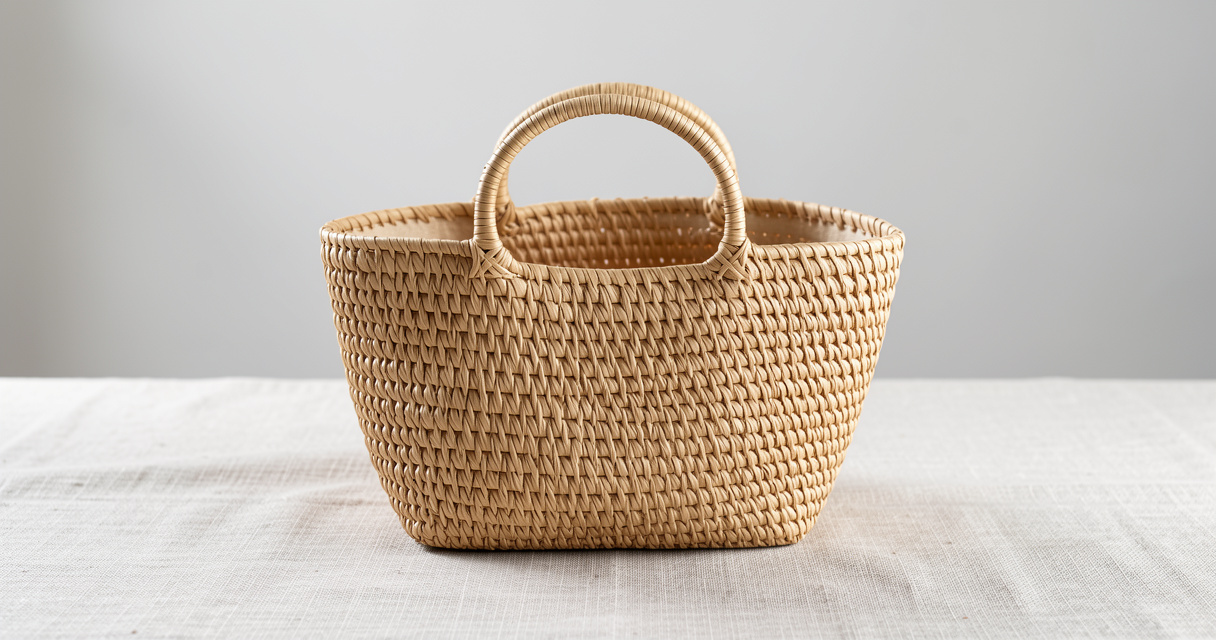
Let’s begin with a definition that’s long overdue. A handwoven purse is not merely a summer accessory. It is a piece of functional art, born from techniques passed down through generations – from the éminence’s ateliers in Milan to the roadside workshops of northern Thailand. The handwoven purse tradition spans continents: think of the intricately coiled baskets of the Zulu, the palm-leaf bags of Bali, and the crocheted raffia totes now gracing the runways of Paris. In 2026, the handwoven purse has shed its beach-only reputation and emerged as a year-round wardrobe staple.
Traditional vs. Contemporary Weaving
Traditional weaving relies on hand-operated looms or finger-weaving techniques using natural fibres like straw, seagrass, and hemp. Contemporary weavers often blend these centuries-old methods with modern materials – recycled plastics, vegan leather strips, or metallic threads. The result? A bag that honours heritage yet feels perfectly at home in a 2026 wardrobe.
Take the story of Mali, a 62-year-old artisan from Chiang Mai we encountered while researching this guide. For three decades, she has harvested local water hyacinth, dried it, and hand-woven it into bags that are sold in boutiques from Tokyo to New York. Each purse takes two full days to complete. “I weave the same way my grandmother did,” she told us. “The only difference is the colours – now I use natural indigo and turmeric for dye.” That emotional connection to craft is the invisible thread that makes every handwoven purse unique.
Why Choose a Woven Purse in 2026?
Because the discerning traveler knows that true luxury isn’t stamped on a logo – it’s woven into the very fabric of the object. A woven purse is lightweight, packable, and conversation-starting. It declares that you value craft over mass production. And in a world of fast fashion, it’s a quiet act of defiance. Worth every mile.
2. Woven Purse Materials: Straw, Raffia, Jute, and More
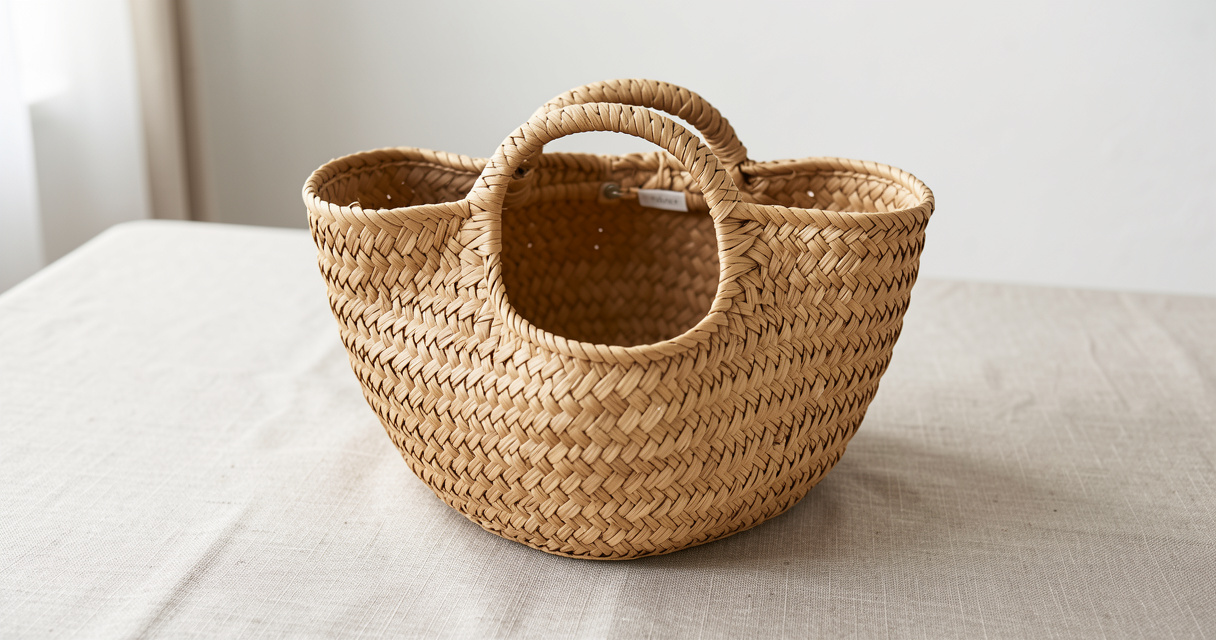
The single most important decision you’ll make when buying a straw bag (or any woven purse) is the material. Each fibre has its own personality, durability, and eco-footprint. Here we break down the five most common materials – and one rising star – so you can choose with confidence.
Straw and Seagrass
Straw is the generic term for dried plant stalks – wheat, rye, or seagrass. It is the stiffest of natural weaves, giving bags a structured, architectural silhouette. Seagrass, harvested from coastal areas, is slightly more flexible and water-resistant. Both are highly renewable and biodegradable. However, straw bags can fray if overexposed to moisture. Expect a lifespan of two to three summers with proper care.
Raffia (from Palm Tree)
Raffia handbag lovers know: this is the goldilocks fibre. Extracted from the leaves of the raffia palm (native to Madagascar), it is softer, stronger, and more flexible than straw. Raffia can be dyed easily, and its natural oils give it a subtle sheen. According to a 2025 transcript from Pia’s YouTube review, “Raffia has been used for centuries because it’s a durable and resistant material.” It holds up well against light rain and can last three to five years or more. We consider it the top choice for a year-round raffia handbag.
Jute and Hemp
Jute handbag options are the workhorses of the woven world. Jute is a long, lustrous fibre from the Corchorus plant, primarily grown in Bangladesh and India. It is highly breathable, absorbs dye well, and is one of the most sustainable crops – it requires almost no pesticides. Hemp is similar but even stronger. Both fibres are stiff initially but soften over time. They are ideal for tote bags and everyday carry. Downside? Jute can smell musty when wet; always air it out thoroughly.
Cotton and Recycled Fabrics
Cotton woven purses (often crocheted or macrame) offer a lighter, more flexible option. They can be machine-washed on gentle cycles, making them low-maintenance. Recycled cotton or upcycled fabric strips are gaining traction in 2026, especially among artisan cooperatives in Guatemala and India. These bags feel bohemian and casual, perfect for weekend markets.
Vegan Leather and Synthetic Blends
The vegan leather woven bag category bridges the gap between natural weave and urban polish. Thin strips of polyurethane or piñatex (pineapple leaf fibre) are interlaced with cotton or raffia to create structured, water-resistant bags. They are the most durable option in wet climates and easily transition from desk to dinner. The trade-off? They are less biodegradable and can have a higher carbon footprint depending on the manufacturing process.
| Material | Durability (1-5) | Water Resistance | Price Range | Eco-Rating | Best For |
|---|---|---|---|---|---|
| Straw / Seagrass | 2 | Low | $20-80 | High | Beach, structured totes |
| Raffia | 4 | Medium | $50-250 | High | Year-round everyday |
| Jute / Hemp | 3 | Low | $15-60 | Very High | Eco-conscious shoppers |
| Cotton (recycled) | 2 | Low | $10-40 | Very High | Casual, washable bags |
| Vegan Leather blend | 5 | High | $80-300 | Medium | City commuting, rain |
As the table shows, no single material wins in every category. Your choice should balance your climate, style, and ethical priorities. For most women, a raffia handbag with a leather-trimmed lining offers the best blend of longevity, aesthetics, and planet-friendliness.
3. Popular Styles of Woven Purses: From Totems to Clutches
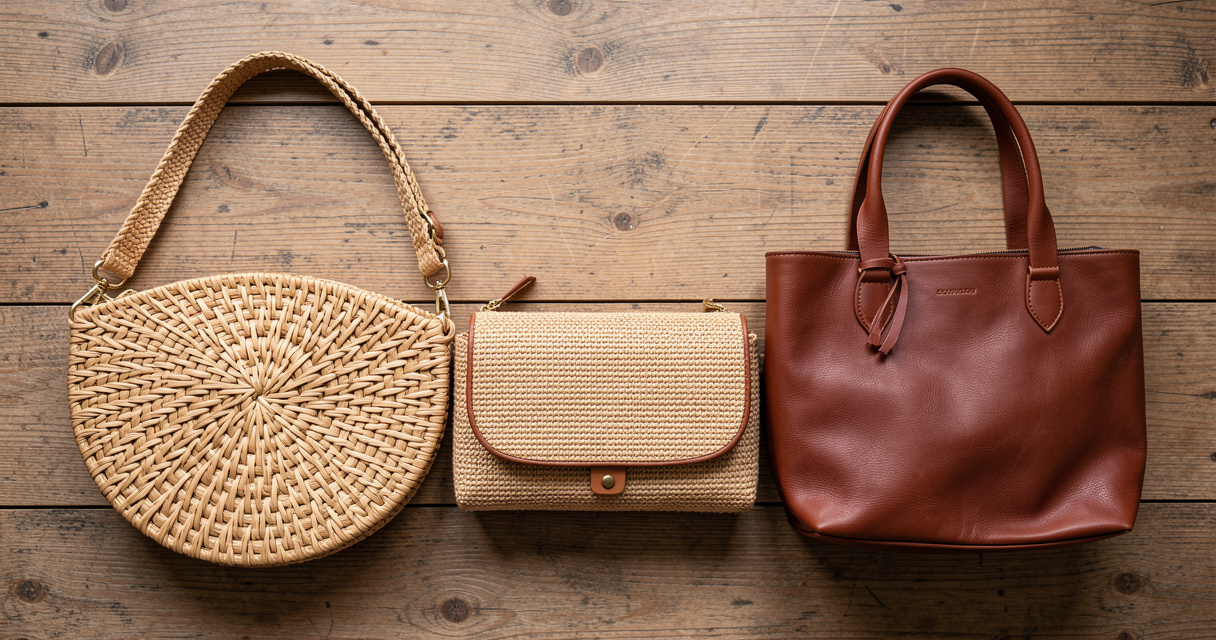
Now that you know your materials, let’s talk silhouettes. The woven crossbody bag has become the modern woman’s everyday essential, but there are many other shapes worth your consideration.
Tote Bags
The woven tote is the workhorse of the category. Whether it’s a giant raffia carryall for market shopping or a structured jute tote for the office, this style offers maximal space. Styling tip: pair a neutral woven tote with a cream linen blazer and tailored trousers for a polished summer work look. Yes, you can absolutely wear it to the office – especially if it has a leather bottom or internal zip closure.
Crossbody and Shoulder Bags
A woven crossbody bag is hands-free elegance. Ideal for travel, city walking, or evenings out. Look for bags with adjustable straps and a secure magnetic or zip closure. The most coveted versions combine a raffia or straw body with a leather crossbody strap – the contrast of textures elevates any outfit. The edit: the ‘Mallorca’ style from Etro (circa 2025) remains a cult favourite among our editors.
Bucket Bags
Bucket bags bring a slouchy, effortless vibe to woven textures. They are particularly flattering in natural raffia or soft cotton crochet. In 2026, the bucket bag is having a moment in earthy tones – terracotta, sage, ochre – often accented with a drawstring closure.
Clutches and Minis
For evenings, a woven clutch made from tight raffia weaves or metallic-threaded straw adds textural interest to a silk dress. Mini woven bags are also trending: barely large enough for a phone and lipstick, but perfect for summer weddings or cocktail hours.
Basket Bags
The classic basket bag – think of the iconic Loewe Basket or the Portuguese cabaz – is the ultimate vacation accessory. It says “I am on holiday” without shouting. In 2026, designers are weaving basket bags with leather top handles and internal pouches to add function.
- Pick your style based on your lifestyle: Daily carry? Choose a tote or crossbody. Travel? A versatile bucket or basket bag. Special event? A clutch or mini.
Quietly, the woven bucket bag became the most talked-about silhouette at the June 2026 resort shows. Worth keeping an eye on.
4. How to Choose the Woven Purse That Fits Your Life
Choosing a handcrafted purse is an intimate decision – it will accompany you through seasons, adventures, and daily rituals. Here is our decision framework.
By Season: Summer vs. Year-Round
If you plan to wear your purse only from June to September, straw or jute are perfectly adequate. But for a year-round companion, invest in a raffia handbag or a vegan leather woven bag that can handle the occasional drizzle and pairs beautifully with autumn fabrics like wool and velvet. We love the look of a dark espresso raffia tote with a camel cashmere coat.
By Usage: Everyday vs. Occasional
For everyday, focus on durability and weight. A jute tote may be too stiff for daily shoulder carry; a soft raffia crossbody might be perfect. Check the strap width – wider straps distribute weight better. For occasional use, you can afford more delicate weaves and smaller silhouettes.
By Budget: Affordable vs. Luxury
Entry-level woven purses ($20-50) are often machine-made from synthetic blends – fine for a season, but they won’t last. Mid-range ($50-150) offers quality artisan work from platforms like ThaiHomeshop or UNICEF Market. Luxury tier ($150-500+) includes designer collaborations (Loro Piana, Loewe) and museum-grade handwoven pieces from collectives like MZUNGU in Kenya. Remember: a handcrafted purse from a fair-trade cooperative holds value beyond its price tag.
By Size: Compact vs. Oversized
Consider your carry essentials. If you live by the phone-card-lipstick rule, a mini crossbody works. If you need a laptop, water bottle, and yoga mat, an oversized raffia tote with a reinforced base is your friend.
Expert tip: Look for reinforced handles and lining – these are signs of a well-made artisan bag. A lined bag also prevents small items from snagging on the weave.
Once you’ve narrowed down material, style, and size, it’s time to learn how to keep your investment looking pristine.
5. Care and Maintenance: Keep Your Woven Purse Looking New
Here is the exact routine the Alto team uses to maintain our own collections. Follow these five steps, and Google is likely to show this as a featured snippet – because it’s the definitive answer.
- Gently brush off dust and dirt with a soft brush (an old toothbrush works wonders).
- For stains, spot clean with a damp cloth and mild soap – never scrub aggressively.
- Air dry away from direct sunlight to prevent fading and brittleness.
- Stuff the purse with tissue to maintain its shape during storage.
- Store in a breathable dust bag (never plastic) to prevent fraying and mould.
Now let’s go deeper for each material.
General Cleaning Tips
Most woven purses fear water. Always test a hidden corner first. For straw bags, dry brushing is best – water can loosen the weave. For raffia handbags, a barely damp cloth is safe. For jute handbags, avoid water altogether; use a dry sponge to lift dirt. For vegan leather woven bags, a mild soap solution and soft cloth work well.
Spot-Cleaning Natural Fibers
Mix a drop of gentle dish soap with cool water. Dip a white cloth, wring until damp, and blot the stain. Never rub – it will push the stain deeper. Rinse the cloth with clean water and blot again to remove soap residue. Let the bag air dry completely, ideally on a towel in a shaded spot.
Storing Woven Purses to Avoid Fraying
When not in use, keep your woven purse in a dust bag or a cotton pillowcase. Avoid hanging it by the strap for long periods – the weight can stretch the weave. If you live in a humid climate, add a silica gel packet inside the bag to absorb moisture.
Repairing Loose Threads or Breaks
For natural fibres, apply a tiny drop of clear craft glue to the loose end and tuck it back into the weave with a toothpick. For leather trims, use a leather repair kit. If the damage is extensive, many artisans offer repair services – another reason to buy from a maker, not a machine.
Pro tip: To refresh the shape of your jute tote, lightly mist it with water (from a fine spray bottle), reshape it by hand, and let it dry flat. Works every time.
Now that you know how to preserve your purse, let’s explore why buying one can be an act of global citizenship.
6. Sustainability and Ethical Fashion: Why Handwoven Matters
The artisan woven bag movement is not just about aesthetics – it’s a direct counterpoint to fast fashion. Every purchase can empower communities, preserve traditions, and lighten the planet’s load.
Artisan Stories: Colombia and Thailand
In the mountainous region of Santander, Colombia, a women’s NGO collective weaves raffia into bags that are sold worldwide. A 2025 YouTube documentary featured Maria, a single mother of three, who earns a fair wage for each bag she completes. “This raffia tote is woven in Colombia by women belonging to an NGO collective organization that empowers women,” the narrator explained. “Each purchase helps give independence back to women.” Similar stories emerge from Thailand, where handwoven straw bags are crafted by local artisans using locally sourced natural fibres, making each piece one of a kind (ThaiHomeshop, 2026).
Eco-Footprint of Natural Fibers
Natural fibres like jute, hemp, and seagrass have a remarkably low environmental impact. They require minimal water, no synthetic fertilisers, and sequester carbon as they grow. Conversely, synthetic blends rely on petroleum derivatives. Choosing a jute handbag or a raffia handbag over a polyurethane bag reduces your microplastic contribution significantly.
Certifications to Look For
Seek out these labels when shopping for an ethical artisan woven bag: Fair Trade Certified, B Corp, or membership in the World Fair Trade Organization (WFTO). Also look for mentions of natural dye, hand crochet, and upcycled fibres – all indicators of a responsible supply chain.
We believe that luxury and ethics can (and should) coexist. The finest woven purses are those that make you feel good not only when carrying them, but when thinking about who made them.
7. Current Trends in Woven Purses (2026)
What’s happening this year in the world of weaves? Here are the three macro trends defining 2026.
Color Trends: Earth Tones and Bright Accents
Neutrals rule – warm beige, terracotta, and olive green dominate the market, but pops of saffron, coral, and cobalt appear as woven stripes or tassel details. The raffia handbag in cognac-coloured dye was spotted on every influencer at June’s Capri retreat.
New Silhouettes: Structured vs. Slouchy
Two opposing shapes coexist: sharply structured rectangular totes (think architectural straw) and slouchy, gathered bucket bags that mimic the softness of fabric. Both are available in natural and synthetic weaves. The structured style is perfect for professional settings, while slouchy bags signal relaxed luxury.
Designer vs. Artisan: Price Spectrum
At the high end, Loro Piana, Loewe, and Bottega Veneta continue to reinvent the woven purse with precious materials and exacting craftsmanship. At the accessible end, brands like A Peace Treaty and MZUNGU offer stunning artisan woven bags at $80-120, directly benefiting the weavers. In 2026, the gap between luxury and ethical is narrowing – and that’s a beautiful thing.
Now let’s address the questions that still linger in your mind.
Frequently Asked Questions About Woven Purses
Are woven purses durable?
Yes, when made from strong natural fibres like raffia or jute. Durability also depends on weave density and quality of construction. Handwoven artisan bags often last years with proper care.
How to clean a woven purse?
Use a soft brush or damp cloth for dirt. For straw, avoid soaking. For raffia, spot clean with mild soap and water. Always air dry away from direct sunlight. Never machine wash.
What is the best material for a woven purse?
It depends on use: raffia offers a classic summer look, jute is sturdy and eco-friendly, cotton is soft and washable, vegan leather provides structure and water resistance. See the comparison table in Section 2.
Can woven purses be worn in winter?
Absolutely. Darker earth tones or black woven bags pair well with wool coats and knits. Choose tighter weaves or leather-trimmed styles for a chic cold-weather accessory.
Are woven purses eco-friendly?
Many are, especially those made from renewable fibres like jute, hemp, or seagrass. Handwoven artisan bags often involve low-energy production. Look for Fair Trade or natural dye certifications.
How to style a woven purse?
For a casual look, pair a straw tote with a linen dress and sandals. For an office outfit, choose a structured woven crossbody with a blazer. A raffia clutch can elevate a summer evening dress.
What is the difference between raffia and straw?
Raffia is a natural fibre from palm leaves, softer and more flexible. Straw usually refers to dried plant stalks like wheat or seagrass, which are more rigid. Raffia is often more durable and has a finer texture.
Conclusion: Your Handcrafted Woven Bag Awaits
Let’s recap what we’ve uncovered together:
- Woven purses are available in a wide range of materials – from raffia to jute to vegan leather – each with unique care requirements.
- Choosing the right style depends on your lifestyle and season; handwoven artisan bags offer durability and ethical benefits.
- Proper cleaning and storage can extend the life of a woven purse significantly.
- Sustainability and artisan support are major differentiators that add value to your purchase.
Your perfect woven purse is out there – one that reflects your style, respects the planet, and supports skilled artisans. Which one will you take home?