



Reading time: 18 min
Table of Contents
- Key takeaways
- What Makes a Vitamin C Serum Dermatologist-Recommended?
- The 10–20% concentration rule
- Stability, pH and packaging: the hidden filters
- The 7 Best Vitamin C Serums Dermatologists Recommend in 2026
- The overall dermatologist favorite: SkinCeuticals C E Ferulic
- The drugstore pick: La Roche-Posay Vitamin C 10
- The budget pick: TruSkin Vitamin C
- Why Dermatologists Choose 10–20% Vitamin C (And Not More)
- The upper limit of L-ascorbic acid
- How to decide between 10%, 15% or 20%
- The Best Vitamin C Serum for Your Skin Type and Skin Concern
- Sensitive and acne-prone skin: choose derivatives or water-free formulas
- Dry/dehydrated skin: pair vitamin C with hyaluronic acid
- Hyperpigmentation/melasma: combine with ferulic acid and daily sunscreen
- How to Use Vitamin C Serum: Morning vs. Night, Layering, and Retinol
- The correct AM routine
- Vitamin C + retinol: how to layer safely
- Stability, Packaging, and Oxidation: The Hidden Quality Markers
- 7 Vitamin C Serum Mistakes That Wreck Your Results
- Frequently Asked Questions
- The Bottom Line on Dermatologist-Backed Vitamin C Serums
Key takeaways
- 10–20% L-ascorbic acid is the first filter dermatologists apply before recommending a vitamin C serum.
- Antioxidant partners matter: vitamin E and ferulic acid stabilize vitamin C and multiply its photoprotection.
- Match the formula to your skin type: derivatives like THD ascorbate and sodium ascorbyl phosphate suit sensitive skin; L-ascorbic acid suits hyperpigmentation concerns.
- Consistency beats concentration: visible dark-spot fading usually appears by weeks 8–12 of daily morning use.
How do you spot a genuinely dermatologist-recommended vitamin C serum when every bottle on the shelf promises radiance? This season’s answer is not another celebrity endorsement or influencer code. It is a checklist of clinical details — concentration, form, pH, packaging — that separates working vitamin C from expensive water.
The skincare aisle is packed with vitamin C serums, but most are too weak, poorly stabilized, or overpriced. Without knowing the concentration, form, and packaging dermatologists actually check, you risk wasting money on a serum that never brightens skin. The fix is simpler than you think: understand L-ascorbic acid, and the entire market comes into focus.
What Makes a Vitamin C Serum Dermatologist-Recommended?
- 10–20% stable L-ascorbic acid — the only form clinically proven to penetrate skin and boost collagen.
- Vitamin E and ferulic acid — antioxidant partners that increase stability and photoprotection.
- Dark, air-tight packaging — prevents L-ascorbic acid from oxidizing.
- A pH around 3.5 — low enough to absorb into skin, high enough to avoid irritation.
| Criterion | Dermatologist standard | Why it matters |
|---|---|---|
| Vitamin C form | L-ascorbic acid | Clinically proven to penetrate skin and boost collagen |
| Concentration | 10–20% | Below 10% is too weak; above 20% irritates |
| Antioxidant partners | Vitamin E + ferulic acid | Stabilize vitamin C, double photoprotection |
| pH | Around 3.5 | Low enough for absorption, high enough to avoid stinging |
| Packaging | Dark, air-tight pump | Prevents oxidation |
L-ascorbic acid vs vitamin C derivatives: L-ascorbic acid is the pure form used in clinical studies; derivatives like sodium ascorbyl phosphate and THD ascorbate are gentler but less potent. A dermatologist-recommended serum usually relies on L-ascorbic acid unless your skin is reactive.
Dermatologists look for these four markers before putting their name behind a formula. The first marker is non-negotiable: L-ascorbic acid. Not ascorbyl palmitate, not magnesium ascorbyl phosphate — although some derivatives have their place, L-ascorbic acid is the reference standard in published research on collagen synthesis.
According to DermOnDemand (2026), dermatologists recommend formulas containing 10–20% vitamin C in a stable form. That concentration window is not arbitrary. At 10%, you get gentle brightening and antioxidant defense. At 15–20%, you enter the zone where clinical trials show measurable improvement in photoaging and hyperpigmentation.
A vitamin C serum with ferulic acid is also more likely to survive contact with air. Ferulic acid neutralizes the free radicals that degrade vitamin C; vitamin E completes the trio. When you see all three on one ingredient list, you are looking at a formula dermatologists can defend.
The 10–20% concentration rule
Concentration alone does not make a serum effective. A 20% L-ascorbic acid serum in a clear dropper bottle can oxidize before you reach the third week. A 10% serum in an airtight pump is a better dermatologist recommendation. The rule is simple: the vitamin C must be stable enough to reach your skin in its active form.
Stability, pH and packaging: the hidden filters
A dermatologist will inspect the bottle before the ingredient list. L-ascorbic acid is most stable at an acidic pH around 3.5, which is also the pH that allows it to penetrate the stratum corneum. If the pH is too low, the serum stings. If the pH is too high, the vitamin C loses its punch.
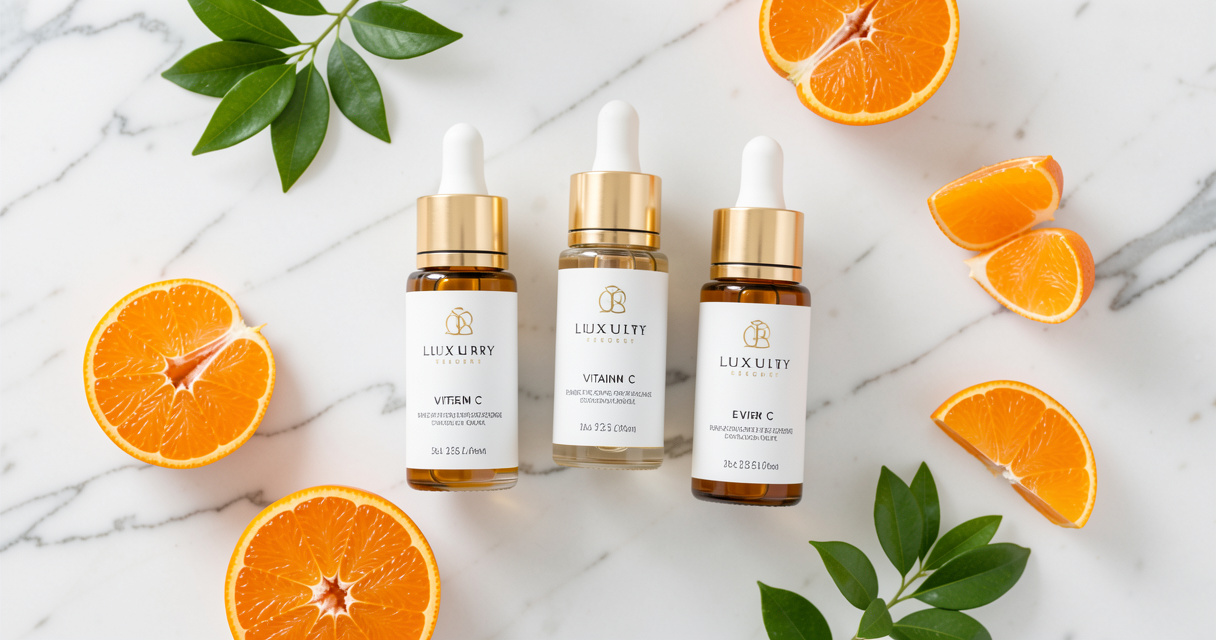
Packaging is the last filter. Dark glass and air-tight pumps keep oxygen out. Dropper bottles that pull air back in after each use accelerate oxidation. A serum that turns from pale straw to deep amber has already started to degrade.
That filter narrows the market considerably. The seven formulas below pass it.
The 7 Best Vitamin C Serums Dermatologists Recommend in 2026
The edit: seven serums, each with a clear job, each checked against the criteria above. Yes, I have tested versions of most of these over a decade of covering skincare; the ones that last are the ones that respect stability. Here they are.
The overall dermatologist favorite: SkinCeuticals C E Ferulic
This is the formula every other vitamin C serum is measured against, and according to Forbes (2026), SkinCeuticals C E Ferulic contains 15% pure L-ascorbic acid, 1% alpha tocopherol (vitamin E), and ferulic acid. Dr. Dendy Engelman has named it a personal recommendation, and the research behind its antioxidant defense is stronger than for almost any competitor.
Does it feel luxury? The texture is surprisingly light, the finish is satin, and it plays well under sunscreen and makeup. Yes, it is expensive. Worth every mile.
The drugstore pick: La Roche-Posay Vitamin C 10
Any honest La Roche-Posay vitamin C serum review starts with the word gentle. This one uses 10% pure vitamin C plus neurosensine and hyaluronic acid, according to DermOnDemand (2026). It is the best vitamin C serum for sensitive skin among the L-ascorbic acid options, and it sits at a price point that makes daily use painless.
If you are new to vitamin C, this is the version to start with. The 10% concentration is enough to brighten, while the hyaluronic acid keeps the skin barrier calm.
The budget pick: TruSkin Vitamin C
For a vitamin C serum under $50, TruSkin is the name dermatologists mention when patients want visible results without a luxury price tag. It uses a stable vitamin C derivative that is kinder to reactive skin, plus botanical antioxidants to support the formula.
It is not as immediately potent as 15% L-ascorbic acid, but for sensitive or budget-conscious skin, it delivers a solid brightening effect. Apply it consistently and you will see the difference by week eight.
SkinMedica Vitamin C+E Complex is the derm-vetted elegance pick. It combines a potent L-ascorbic acid base with vitamin E and ferulic acid in a silky, fast-absorbing texture. Dr. Dendy Engelman has also called it a personal favorite. If SkinCeuticals is the research benchmark, SkinMedica is the one that feels like a couture serum.
Rodan + Fields Pure C Serum quietly became the most talked-about water-free formula in dermatology circles. It delivers 10% pure L-ascorbic acid in a water-free, oil-free base, according to Rodan + Fields (2026). One transparency note: Rodan + Fields sells its own serum, so the water-free claim is brand messaging as much as formulation science. Dermatologists can recommend it because of the ingredients, but independent clinical data is thinner than for SkinCeuticals.
Vichy Liftactiv Vitamin C is the dry-skin answer. Its 15% vitamin C is paired with hyaluronic acid, and the formula sits well under moisturizer. If your skin feels tight after cleansing, this is the vitamin C serum for you. It hydrates while it brightens.
Timeless 20% Vitamin C + E + Ferulic Acid Serum is the power user’s option. The Skinceuticals C E Ferulic vs Timeless debate usually comes down to concentration and price: Timeless offers 20% L-ascorbic acid for a fraction of the cost. According to Wirecutter (2026), 20% is the upper limit dermatologists recommend. If you have already tolerated 15%, Timeless is the natural upgrade.
Patch test first: 15–20% L-ascorbic acid can tingle on first use. Patch test for three days before applying to your face. If your skin turns red or starts flaking, step down to a 10% formula.
| Product | Vitamin C type | Concentration | Key antioxidants | Best for | Price indication |
|---|---|---|---|---|---|
| SkinCeuticals C E Ferulic | L-ascorbic acid | 15% | Vitamin E, ferulic acid | Overall gold standard, anti-aging, hyperpigmentation | $$$$ |
| La Roche-Posay Vitamin C 10 | L-ascorbic acid | 10% | Neurosensine, hyaluronic acid | Sensitive skin, first-time users | $$ |
| TruSkin Vitamin C | Sodium ascorbyl phosphate (derivative) | Stable derivative | Botanical antioxidants, hyaluronic acid | Sensitive/combination skin, budget | $ |
| SkinMedica Vitamin C+E Complex | L-ascorbic acid | 15% | Vitamin E, ferulic acid | Elegant texture, anti-aging | $$$$ |
| Rodan + Fields Pure C Serum | L-ascorbic acid | 10% | Water-free base, vitamin E | Oxidation-prone skin, oil-free routine | $$$ |
| Vichy Liftactiv Vitamin C | L-ascorbic acid | 15% | Hyaluronic acid, vitamin E | Dry/dehydrated skin | $$$ |
| Timeless 20% Vitamin C + E + Ferulic Acid | L-ascorbic acid | 20% | Vitamin E, ferulic acid | Tolerated skin, maximum brightening | $$ |
From the gold standard to the budget shelf, every formula above respects the 10–20% rule. But why is that the ceiling?
Why Dermatologists Choose 10–20% Vitamin C (And Not More)
According to Wirecutter (2026), Timeless Skin Care serum has a 20% concentration of L-ascorbic acid, and 20% is the upper limit dermatologists recommend. The same report notes that SkinCeuticals uses 15%, which raises an obvious question: if 15% is enough for a gold-standard formula, why chase 20%?
A 20% vitamin C serum delivers more active ingredient, but only up to a point. Above 20%, the skin’s absorption capacity plateaus. The extra L-ascorbic acid can irritate the skin barrier, cause stinging, and even slow collagen synthesis. More concentration does not mean faster results.
The upper limit of L-ascorbic acid
Dermatologists rely on published studies showing 10–20% L-ascorbic acid improves photodamage, melasma, and collagen production. Above that, the evidence drops off. The efficacy plateau is why no leading derm-created brand sells a 30% formula.
How to decide between 10%, 15% or 20%
If you have never used vitamin C, start with 10%. If your skin tolerates acids well and you want faster dark-spot fading, choose 15%. If you have already used 15% for months and want to push further, consider a 20% vitamin C serum like Timeless. Sensitive skin should stop at 10%.
Anything above 20% is marketing. Higher concentration does not equal faster results; irritation breaks the skin barrier and slows collagen. A serum that stings is not working better — it is signaling damage.
Your vitamin C serum is too strong if:
- Redness appears within 60 seconds of application
- Stinging lasts more than a few seconds
- Flaking appears after 3–5 days
- Breakouts cluster where you applied the serum
The right concentration depends on your skin’s tolerance, and the right formula depends on your skin concern.
The Best Vitamin C Serum for Your Skin Type and Skin Concern
Dermatologists do not recommend one serum for everyone. They match the delivery system to the skin barrier. If a patient reacts to acids, the answer is often a vitamin C derivative; if the concern is hyperpigmentation, L-ascorbic acid with ferulic acid is the stronger play.
Sensitive and acne-prone skin: choose derivatives or water-free formulas
For sensitive skin, look for THD ascorbate or sodium ascorbyl phosphate. These derivatives have a higher pH and a lower irritation profile than L-ascorbic acid. Maelove and CeraVe both offer formulas designed for reactive skin, while Rodan + Fields Pure C uses a water-free L-ascorbic acid base that avoids preservatives and penetration enhancers.
If you want the best vitamin C serum for sensitive skin under $50, TruSkin or CeraVe are the first names to test. And if acne is the concern, look for an oil-free formula with niacinamide or a water-free base; avoid heavy emollients that clog pores.
Dry/dehydrated skin: pair vitamin C with hyaluronic acid
Dry skin needs hydrating partners. Vichy Liftactiv is built around this idea: 15% vitamin C plus hyaluronic acid. Apply vitamin C on dry skin, wait 60–90 seconds, then follow with a hyaluronic acid serum on slightly damp skin if your moisturizer is not enough.
Hyperpigmentation/melasma: combine with ferulic acid and daily sunscreen
The best vitamin C serum for hyperpigmentation contains 10–20% L-ascorbic acid paired with ferulic acid and vitamin E. This combination blocks melanin production and boosts the photoprotection of sunscreen. If melasma is the target, use a 15% formula every morning under SPF 30+, and be patient: pigment fades on a 12-week cycle.
| Skin concern | Ingredient to look for | Recommended product fit |
|---|---|---|
| Sensitive/reactive | THD ascorbate, sodium ascorbyl phosphate, neurosensine | TruSkin, CeraVe, La Roche-Posay |
| Dry/dehydrated | L-ascorbic acid + hyaluronic acid | Vichy Liftactiv, SkinCeuticals |
| Hyperpigmentation/melasma | 10–20% L-ascorbic acid + ferulic acid + vitamin E | SkinCeuticals C E Ferulic, Timeless 20% |
| Oily/acne-prone | Water-free or oil-free L-ascorbic acid | Rodan + Fields Pure C, SkinMedica |
Skin-type decision checklist:
- If you react to acids: choose a derivative or water-free formula.
- If your skin is dry: choose hyaluronic acid as a partner.
- If you have dark spots: choose 10–20% L-ascorbic acid and never skip SPF.
- If your skin is oily: choose an oil-free formula in a lightweight vehicle.
Once you have the right serum, how you apply it matters just as much as which bottle you buy.
How to Use Vitamin C Serum: Morning vs. Night, Layering, and Retinol
Morning is preferred because vitamin C boosts photoprotection and fights the free radicals generated by UV light. If your routine is minimal, one application in the morning is enough. Rodan + Fields says twice daily, but most skin types will see the same benefit from once daily — with less risk of irritation.
The correct AM routine
- Cleanser
- Vitamin C serum on dry skin
- Wait 60–90 seconds for absorption
- Moisturizer
- Sunscreen SPF 30+
Apply vitamin C before hyaluronic acid. The low pH of vitamin C needs direct contact with clean skin; hyaluronic acid works better on slightly damp skin, so it comes second.
Vitamin C + retinol: how to layer safely
Can I use vitamin C serum with retinol? Yes, but not at the same time if you are new. Use vitamin C in the morning and retinol in the evening, or alternate nights. Dermatologists often pair them for anti-aging because vitamin C handles daytime antioxidant defense while retinol works on nighttime cellular renewal. If your skin is sensitive, build tolerance slowly: two nights of vitamin C, one night of retinol.
The safest separation is morning for vitamin C, evening for retinol.
Once you understand the routine, the next filter is what happens inside the bottle.
Stability, Packaging, and Oxidation: The Hidden Quality Markers
Dermatologists inspect the bottle before the ingredient list. L-ascorbic acid requires dark glass and air-tight pumps; Rodan + Fields highlights a water-free base as a stability strategy; oxidized serum turns yellowish-brown and loses efficacy. The most brilliant formula in the world is useless if it oxidizes in your bathroom cabinet.
Oxidation happens when L-ascorbic acid reacts with oxygen and light. A serum that starts pale straw and turns deep amber or brown has lost most of its antioxidant power. It will not necessarily hurt your skin, but it will not brighten it either.
Storage tip: Keep your serum in a cool, dark cabinet, never on a sunny windowsill. If the color changes from pale straw to deep amber or brown, replace it. Most L-ascorbic acid serums last three to six months after opening.
7 Vitamin C Serum Mistakes That Wreck Your Results
- Applying on wet skin. Vitamin C needs dry skin for low pH delivery. Wait until your face is completely dry.
- Storing in a sunny bathroom. Light and heat accelerate oxidation. Move it to a dark, cool cabinet.
- Choosing a serum without a clinical concentration. Look for 10–20% L-ascorbic acid or a proven derivative.
- Skipping sunscreen. Vitamin C is not a replacement for SPF; it amplifies SPF. Apply both every morning.
- Mixing with benzoyl peroxide. These two can neutralize each other. Use benzoyl peroxide in the morning and vitamin C at night, or alternate days.
- Starting with 20% too fast. Start with 10–15% for two weeks, then move up only if there is no stinging.
- Expecting overnight results. Brightening appears in weeks 2–4, but dark spots fade on an 8–12 week timeline.
If your serum is not working, the problem is usually one of these seven mistakes — not the product itself.
Frequently Asked Questions
Can I use vitamin C serum with retinol?
Yes, but not at the same time if you are new. Use vitamin C in the morning and retinol in the evening, or alternate nights to minimize irritation. Dermatologists often pair them for anti-aging.
Should I use vitamin C serum in the morning or night?
Morning is preferred because vitamin C boosts photoprotection and fights free radicals from UV; always finish with sunscreen. It can be used at night too if your PM routine is simple.
How long does it take for vitamin C serum to work?
Brightening can appear in 2-4 weeks; collagen and visible dark-spot fading usually take 8-12 weeks with daily use. Consistency matters more than concentration.
What percentage of vitamin C is best?
Dermatologists recommend 10-20% L-ascorbic acid for proven results. 10% is gentle, while 15-20% gives faster visible results but may irritate sensitive skin.
Do dermatologists recommend vitamin C for hyperpigmentation?
Yes, especially L-ascorbic acid combined with vitamin E and ferulic acid; it blocks melanin production and amplifies sunscreen’s effect. Pair with SPF 30+ for best results.
Can vitamin C serum be used every day?
Most skin types can use it daily after a 2-3 day patch test. Sensitive skin can start with 2-3 times a week and increase gradually.
Is SkinCeuticals C E Ferulic worth the price?
Dermatologists often say yes because of its proven 15% L-ascorbic acid, vitamin E, and ferulic acid formula plus stability. However, cheaper formulas like Timeless can deliver comparable results for less.
The Bottom Line on Dermatologist-Backed Vitamin C Serums
The dermatologist-backed vitamin C serum formula is not a secret. Choose a product with 10–20% stable L-ascorbic acid. Pair it with vitamin E and ferulic acid in a dark, air-tight bottle. Match the formula to your skin type and use it consistently in the morning before SPF. That is the whole playbook.
For decades, the industry has tried to sell us complexity. The result is a shelf full of serums that turn brown, sting on contact, or simply don’t contain enough active vitamin C to matter. The formulations above are the ones dermatologists actually recommend because they check every label box — concentration, stability, pH, and antioxidant defense.
Ask yourself: does my serum check every label box — stable vitamin C, antioxidant partners, proper packaging? If not, it may be time for an upgrade.