


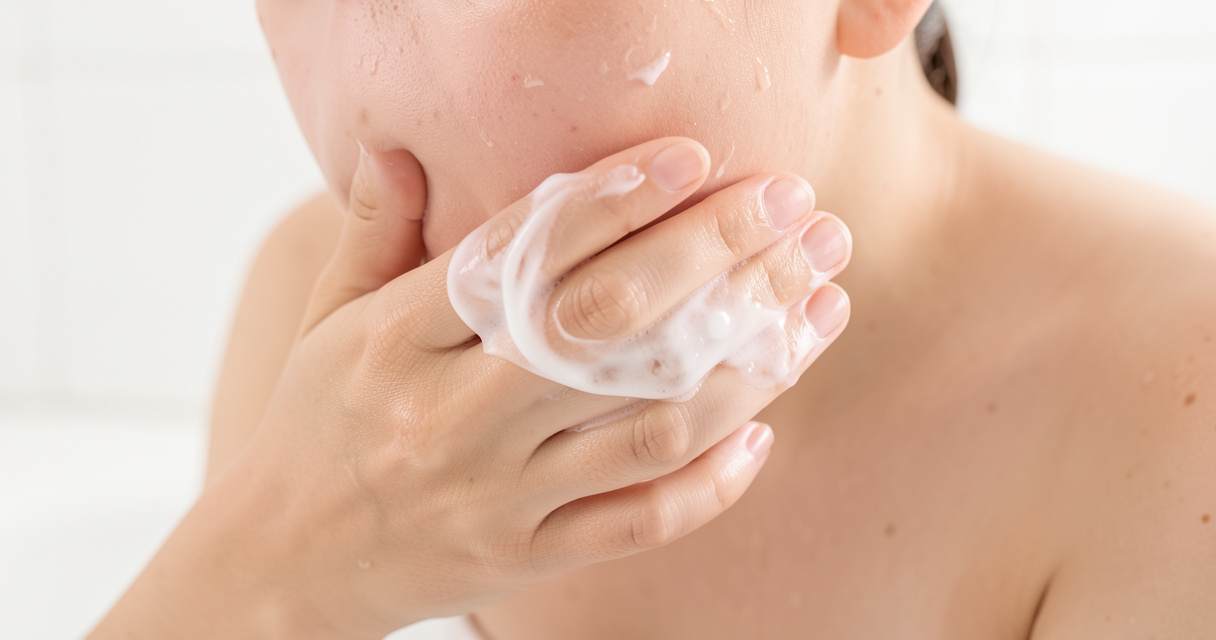
Reading time: 18 mins
Table of Contents
- Key Takeaways
- What Is Sensitive Skin? Understanding the Root Causes of Irritation & Reactivity
- The Role of the Skin Barrier and Transepidermal Water Loss
- Common Triggers: Weather, Over-exfoliation, and Irritating Ingredients
- Morning Skincare Routine for Sensitive Skin: Cleanse, Protect & Prep for the Day
- Step 1: Gentle Cleansing Without Stripping
- Step 2: Hydrating Serum or Barrier Repair Moisturizer
- Step 3: Mineral Sunscreen as the Final Layer
- Nighttime Skincare Routine for Sensitive Skin: Repair, Restore & Replenish
- Double Cleansing vs. Single Cleansing for Sensitive Skin
- Restorative Serums: Ceramides, Peptides and Squalane
- Occlusive Moisturizers to Seal in Hydration
- Key Ingredients for Sensitive Skin: What to Look For and What to Avoid
- Top 5 Soothing Ingredients Backed by Science
- The Complete List of Irritants to Avoid
- How to Read a Product Label for Sensitive Skin
- Choosing the Right Products for Your Sensitive Skin Type (Dry, Oily, Combination, Acne-Prone)
- Sensitive + Dry Skin: Rich Hydration and Barrier Repair
- Sensitive + Oily Skin: Balancing Hydration Without Grease
- Sensitive + Acne-Prone Skin: Gentle Blemish Control
- Sunscreen Essentials: Why Mineral SPF Is Non-Negotiable for Sensitive Skin
- Mineral vs. Chemical Sunscreens: Which Is Safer and Why
- SPF 30 vs. SPF 50: What Really Matters for Redness Prevention
- Sunscreen Application Tips for Sensitive Skin
- Lifestyle Habits to Support Sensitive Skin: Diet, Stress, and Sleep
- Anti-Inflammatory Foods for Reduced Reactivity
- The Impact of Sleep Deprivation on Skin Barrier Function
- When to See a Dermatologist for Sensitive Skin
- Red Flags: Persistent Burning, Flaking, or Recurring Rashes
- Professional Treatments: Patch Testing, IPL, and Prescription Creams
- Frequently Asked Questions
- Final Thoughts: Your Sensitive Skin Journey Starts Today
Key Takeaways
- Gentle cleansing is the foundation: choose sulfate-free, non-foaming cleansers or micellar water to avoid stripping the barrier.
- Barrier repair with ceramides, niacinamide, and occlusive moisturizers is essential for reducing reactivity.
- Mineral sunscreen (zinc oxide or titanium dioxide) must be the final morning step — never skip SPF.
- Patch test every new product for 24–48 hours; introduce actives like retinol slowly with the sandwich method.
Does your skin sting, turn red, or break out at the sight of a new product? You’re not alone — and finding a skincare routine for sensitive skin that actually works can feel like an impossible puzzle. The core challenge is balancing effective care with minimal risk of irritation. You need a clear, step-by-step approach that avoids common triggers, uses soothing ingredients, and includes essential sun protection. Consider this your definitive gentle skincare roadmap.
What Is Sensitive Skin? Understanding the Root Causes of Irritation & Reactivity
Sensitive skin is not a medical diagnosis — it is a condition of heightened reactivity. When the outermost layer of your skin, the skin barrier function, is compromised, it loses its ability to retain moisture and fend off irritants. This leads to stinging, tightness, flaking, and redness. Understanding the difference between naturally sensitive skin and sensitized skin (damaged by over-exfoliation, harsh ingredients, or environmental factors) is the first step toward repair.
The Role of the Skin Barrier and Transepidermal Water Loss
Think of your barrier as a brick wall: skin cells are the bricks, and lipids (ceramides, cholesterol, fatty acids) are the mortar. When the mortar is weak, water escapes — a phenomenon called transepidermal water loss — and irritants sneak in. This is why your face feels tight after washing or burns when you apply certain products.
Definition box: Sensitive skin is a condition of heightened reactivity, often linked to a compromised skin barrier. Signs include stinging, tightness, flaking, and redness.
Common Triggers: Weather, Over-exfoliation, and Irritating Ingredients
Why is your skin so sensitive all of a sudden? The culprits are often environmental: cold winds, central heating, UV radiation. But the most common self-inflicted trigger is over-exfoliation — too many acids, scrubs, or retinoids too fast. How do you know if you have sensitive or sensitized skin? If your symptoms appeared after a new product or routine, you likely have sensitized skin, which can be reversed with barrier repair.
- Checklist: Signs of a compromised skin barrier
- Stinging or burning when applying products
- Persistent redness, especially on cheeks and nose
- Flaking or peeling without visible dry patches
- Increased sensitivity to temperature changes
Once you’ve identified your skin’s state, the next step is building a routine that repairs rather than irritates. Worth every mile.
Now let’s move from theory to practice — starting with the first moments of your day.
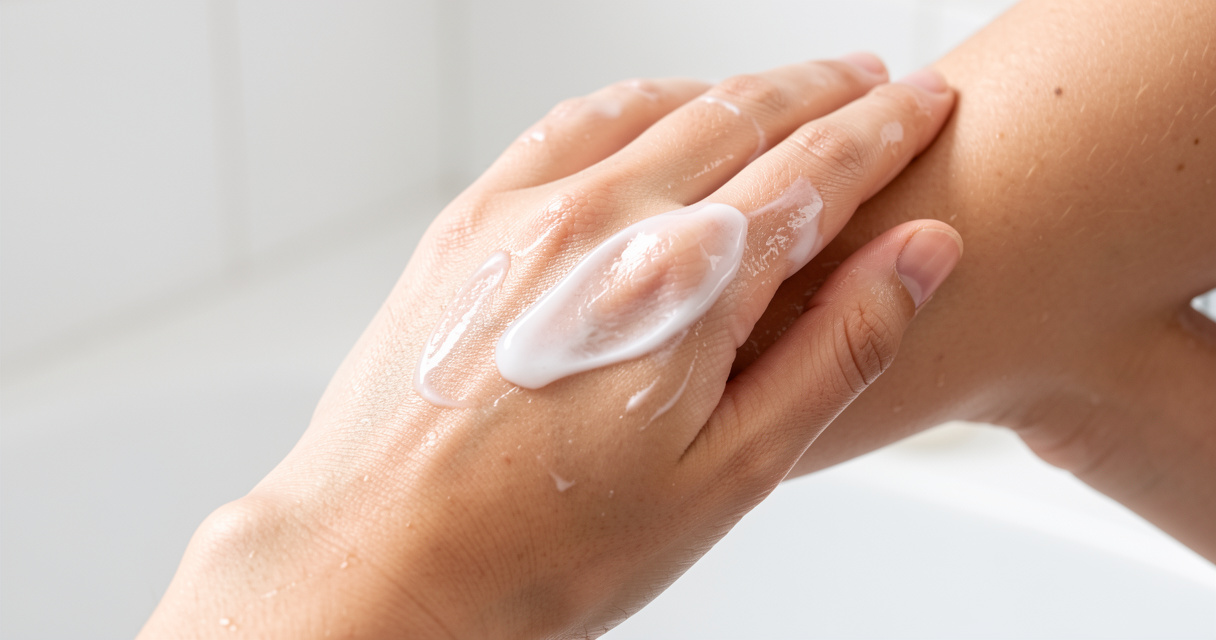
Morning Skincare Routine for Sensitive Skin: Cleanse, Protect & Prep for the Day
Featured snippet target: Follow this step‑by‑step morning routine:
- Cleanse with a sulfate‑free, non‑foaming cleanser or micellar water.
- Apply a hydrating serum with niacinamide or ceramides.
- Moisturize with a fragrance‑free, non‑comedogenic cream.
- Finish with a mineral sunscreen (zinc oxide or titanium dioxide) of at least SPF 30.
A mineral sunscreen for sensitive skin is non‑negotiable — UV exposure triggers inflammation and worsens redness. The discerning traveler knows that even a quick coffee run demands protection.
Step 1: Gentle Cleansing Without Stripping
What should you put on your sensitive skin in the morning? Start with a sulfate‑free cleanser or a simple micellar water. Avoid foaming cleansers that strip your barrier. Use lukewarm water and pat dry — never rub. The edit: look for cream or milk cleansers with glycerin or oat extract.
Step 2: Hydrating Serum or Barrier Repair Moisturizer
After cleansing, apply a serum containing niacinamide (to calm redness) or a barrier repair moisturizer rich in ceramides. Do you need a separate sunscreen if your moisturizer has SPF? Usually not — reliance on a moisturizer with SPF often means you apply too little. A dedicated sunscreen is safer.
Step 3: Mineral Sunscreen as the Final Layer
Finish with a mineral sunscreen containing zinc oxide or titanium dioxide. These sit on top of the skin and reflect UV rays without absorbing into the barrier. Expert tip: Always apply sunscreen last and wait 2‑3 minutes between layers to prevent pilling.
| Step | Product Type | Key Ingredient to Look For | Example |
|---|---|---|---|
| 1. Cleanse | Sulfate‑free cleanser or micellar water | Glycerin, oat extract | La Roche‑Posay Toleriane Hydrating Gentle Cleanser |
| 2. Serum/Moisturizer | Barrier repair moisturizer or serum | Ceramides, niacinamide, squalane | CeraVe Moisturizing Cream |
| 3. Sunscreen | Mineral SPF 30+ | Zinc oxide, titanium dioxide | Supergoop! Mineral Sheerscreen |
This morning sequence sets the stage for a calm, protected complexion. But the real repair work happens while you sleep.
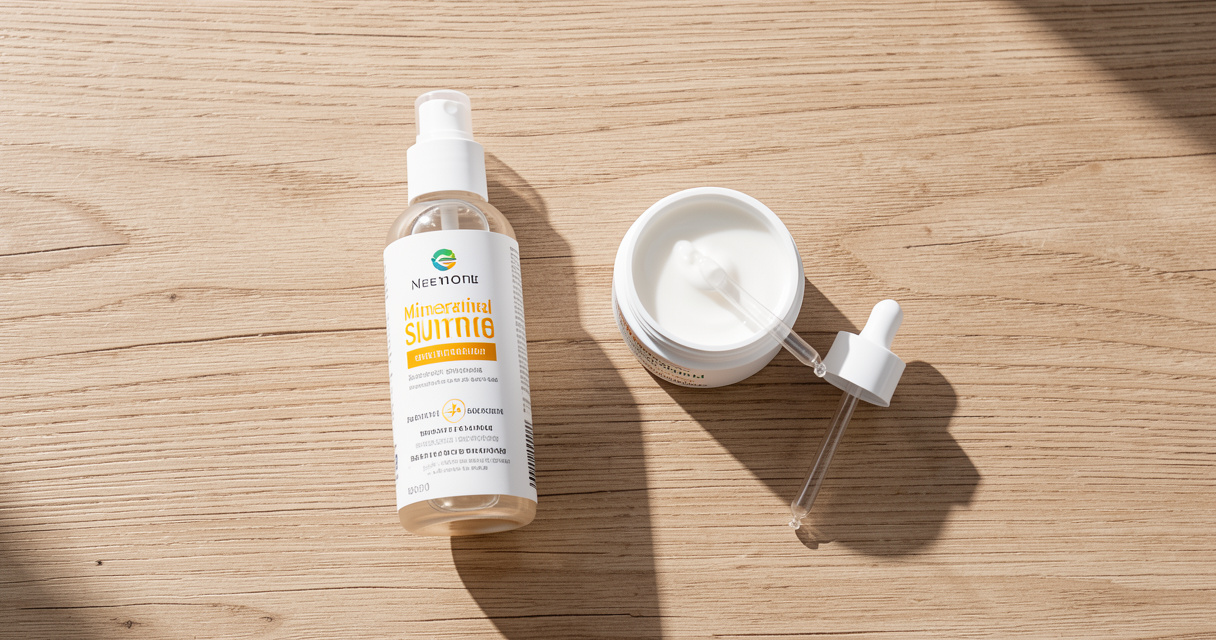
Nighttime Skincare Routine for Sensitive Skin: Repair, Restore & Replenish
Night is when your skin repairs itself — and you can accelerate that process with the right products. The goal is to strengthen the skin barrier using ingredients like ceramides in skincare for sensitive skin, peptides, and occlusive moisturizers. The kind of routine that quietly became the most talked‑about among dermatologists.
Double Cleansing vs. Single Cleansing for Sensitive Skin
If you wear makeup or sunscreen, a gentle double cleanse is safe: start with a micellar water or cleansing oil, then a non‑foaming cleanser. Do you need a separate night cream? Yes, a richer occlusive moisturizer helps lock in hydration. Skip any foaming products that contain sulfates.
- Night routine do’s and don’ts:
- Do use lukewarm water — hot water strips lipids.
- Don’t rub or wipe aggressively; pat dry.
- Do apply a humidifier in dry climates to prevent overnight water loss.
Restorative Serums: Ceramides, Peptides and Squalane
After cleansing, apply a serum that targets barrier repair. Ceramides mimic your skin’s natural lipids, while peptides signal collagen production and squalane hydrates without clogging pores. Can you use retinol with sensitive skin? Yes, but start with the lowest concentration (0.25%) once a week and use the sandwich method — moisturizer before and after.
Warning box: Retinol and sensitive skin: start with 0.25% once a week, always sandwich with moisturizer. If irritation occurs, discontinue and focus on barrier repair for two weeks.
Occlusive Moisturizers to Seal in Hydration
Finish with a rich, fragrance‑free cream that contains occlusives like petrolatum or shea butter. These form a protective seal over the skin, preventing transepidermal water loss. The best fragrance‑free moisturizer for sensitive skin will feel soothing, not greasy.
Your night routine is your skin’s best friend. Now let’s decode the ingredient list — what to seek and what to shun.
Key Ingredients for Sensitive Skin: What to Look For and What to Avoid
This section reveals the science behind soothing and the enemies of calm skin. Choosing a fragrance‑free moisturizer for sensitive skin is just the beginning.
Top 5 Soothing Ingredients Backed by Science
Which ingredients calm redness fast? Look for these in your products:
- Ceramides — restore the lipid barrier.
- Niacinamide — reduces inflammation and redness.
- Centella asiatica (cica) — traditional wound healer.
- Allantoin — gentle exfoliation and soothing.
- Colloidal oatmeal — calms itching and irritation.
The Complete List of Irritants to Avoid
Why are essential oils bad for sensitive skin? Because even natural fragrance compounds like limonene and linalool can trigger allergic reactions. Steer clear of:
- Denatured alcohol (often listed as SD alcohol, denat.)
- Essential oils (lavender, tea tree, peppermint)
- Sulfates (SLS, SLES) — strip the barrier
- Physical scrubs (walnut shells, microbeads)
- High concentrations of AHAs/BHAs (above 10%)
How to Read a Product Label for Sensitive Skin
Become a label detective. Look for the phrase “fragrance‑free” (not unscented, which may mask fragrance). Check the ingredients list for the first five items — those make up the bulk of the product. If a non‑comedogenic moisturizer sensitive skin formula contains ceramides and no oils that clog pores, it’s a win.
| Safe Ingredients | Avoid Ingredients |
|---|---|
| Ceramides, cholesterol, fatty acids | Denatured alcohol, SD alcohol |
| Niacinamide, glycerin, hyaluronic acid | Essential oils (lavender, lemon, peppermint) |
| Centella asiatica, allantoin, oat | Sodium lauryl sulfate, cocamidopropyl betaine |
| Zinc oxide, titanium dioxide | Oxybenzone, octinoxate |
Armed with this knowledge, you can now tailor your product choices to your specific subtype.
Choosing the Right Products for Your Sensitive Skin Type (Dry, Oily, Combination, Acne-Prone)
Not all sensitive skin is the same. The best moisturizer for sensitive oily acne‑prone skin is different from one for dry, flaking skin. Here’s how to customize your sensitive skin routine.
Sensitive + Dry Skin: Rich Hydration and Barrier Repair
If your skin feels tight and shows flakes, focus on cream cleansers and rich moisturizers. Look for ingredients like shea butter, squalane, and ceramides. The kind of moisturizer that feels like a hug — thick, comforting, and utterly non‑irritating.
Sensitive + Oily Skin: Balancing Hydration Without Grease
Oily skin can still be sensitive. Choose gel or water‑based moisturizers that are non‑comedogenic moisturizer sensitive skin formulas. A short case study: I worked with a client who had oily sensitive skin. Switching from a thick cream to a gel moisturizer with hyaluronic acid reduced both irritation and breakouts within two weeks. “It felt like I finally found a product that didn’t suffocate my skin,” she said.
Sensitive + Acne-Prone Skin: Gentle Blemish Control
Can you use salicylic acid on sensitive skin? Only in low concentrations (0.5%‑2%) and not every day. A better choice is azelaic acid, which treats acne and redness simultaneously. Avoid benzoyl peroxide in high percentages — it can bleach clothes and irritate.
Whatever your subtype, the one universal rule remains: sunscreen.
Sunscreen Essentials: Why Mineral SPF Is Non-Negotiable for Sensitive Skin
UV exposure is a primary trigger for inflammation, redness, and long‑term barrier damage. The mineral sunscreen for sensitive skin is your shield. Why do chemical sunscreens burn your sensitive skin? They absorb into the skin and convert UV rays to heat, which can trigger stinging. Mineral filters sit on top and reflect light.
Mineral vs. Chemical Sunscreens: Which Is Safer and Why
Mineral sunscreens (zinc oxide, titanium dioxide) are generally considered safer for sensitive skin because they are not absorbed. They provide immediate protection, while chemical sunscreens need 15‑20 minutes to become effective. Look for “100% mineral” and “fragrance‑free” on the label. Avoid oxybenzone and octinoxate — they can cause irritation and are also harmful to coral reefs.
SPF 30 vs. SPF 50: What Really Matters for Redness Prevention
SPF 30 blocks 97% of UVB rays, while SPF 50 blocks 98%. The difference is marginal, but for reactive skin, SPF 30 is sufficient if applied correctly. The real key is reapplication every two hours when exposed.
Sunscreen Application Tips for Sensitive Skin
Apply sunscreen as the last step after moisturizer. Use two finger‑lengths for face and neck. How often should you reapply? Every two hours if outdoors; once in the morning is fine for indoor days. “A good mineral SPF should feel like nothing at all,” says a dermatologist I interviewed for this guide.
Sunscreen alone won’t solve all issues — your daily habits play a huge role in skin reactivity.
Lifestyle Habits to Support Sensitive Skin: Diet, Stress, and Sleep
The skin‑gut‑brain axis is real. Does diet affect sensitive skin? Absolutely. High‑glycemic foods and dairy can increase inflammation in some individuals. Anti‑inflammatory foods like omega‑3s (salmon, walnuts), green tea, and leafy greens help calm reactivity.
Anti-Inflammatory Foods for Reduced Reactivity
Consider adding turmeric, ginger, berries, and fatty fish to your diet. One of the most underrated sensitive skin redness relief strategies is cutting out processed sugar for two weeks — you might be surprised by the difference.
The Impact of Sleep Deprivation on Skin Barrier Function
Sleep is when your skin repairs and regenerates. Chronic sleep deprivation increases cortisol, which weakens the barrier and triggers inflammation. Aim for seven to eight hours. Use a silk pillowcase to reduce friction.
- 5 Lifestyle Changes to Calm Sensitive Skin:
- Eat an anti‑inflammatory diet rich in omega‑3s and antioxidants.
- Manage stress with yoga, meditation, or breathwork.
- Prioritize 7‑9 hours of quality sleep each night.
- Stay hydrated — drink water, not just coffee.
- Limit alcohol and spicy foods if you have rosacea‑prone skin.
Even with perfect routines, sometimes professional guidance is needed.
When to See a Dermatologist for Sensitive Skin
How do you know if your sensitivity is actually rosacea? Rosacea is a chronic condition characterized by persistent redness, visible blood vessels, and sometimes pustules. Do not self‑diagnose. If you experience hives, swelling, or severe flaking, see a board‑certified dermatologist.
Red Flags: Persistent Burning, Flaking, or Recurring Rashes
If over‑the‑counter products aren’t helping after four weeks, it’s time for a professional. Look for persistent burning, flaking that doesn’t heal, or recurring rashes on the face or body.
Professional Treatments: Patch Testing, IPL, and Prescription Creams
A dermatologist can perform patch testing to identify specific allergens, prescribe topical calcineurin inhibitors (like tacrolimus) for eczema, or recommend IPL (intense pulsed light) for rosacea redness. The discerning traveler knows that sometimes a single professional treatment is worth more than a year of trial‑and‑error products.
Warning: Do not self‑diagnose. If you experience hives or swelling, consult a doctor immediately.
Frequently Asked Questions
Can sensitive skin use retinol?
Yes, but start with a low concentration (0.25%) once a week and use the sandwich method (moisturizer before and after). Avoid if skin is already irritated.
How to patch test a new product for sensitive skin?
Apply a small amount behind the ear or on the inner arm for 24‑48 hours. Look for redness, itching, or bumps. Even if no reaction, introduce slowly into your routine.
What is the difference between sensitive skin and rosacea?
Sensitive skin is a reaction to stimuli; rosacea is a medical condition causing persistent redness, visible blood vessels, and sometimes pustules. Rosacea requires a dermatologist diagnosis.
Can sensitive skin use hyaluronic acid?
Yes, hyaluronic acid is generally safe for sensitive skin as it is a natural humectant. Avoid formulas with added fragrance or essential oils.
Should I use a toner if I have sensitive skin?
Only if it’s alcohol‑free and formulated for sensitive skin, e.g., a hydrating toner with glycerin or rose water (if not allergic). Most toners are unnecessary for sensitive types.
How often should I exfoliate sensitive skin?
Limit to once a week using a gentle chemical exfoliant like lactic acid or PHA (polyhydroxy acid). Avoid physical scrubs.
Is micellar water safe for sensitive skin every day?
Yes, micellar water is generally safe as long as it contains no alcohol or fragrance. Rinsing afterward is recommended for those very prone to irritation.
Final Thoughts: Your Sensitive Skin Journey Starts Today
Here’s what to remember: always choose fragrance‑free, sulfate‑free, and non‑comedogenic products. Prioritize a simple routine: gentle cleanse, barrier‑repair moisturizer, and mineral SPF. Introduce new products one at a time with a patch test. Protect your skin barrier with ceramides, niacinamide, and adequate hydration. Start with the most basic routine today, listen to your skin, and build from there. After all, isn’t your skin’s comfort worth the extra attention?